
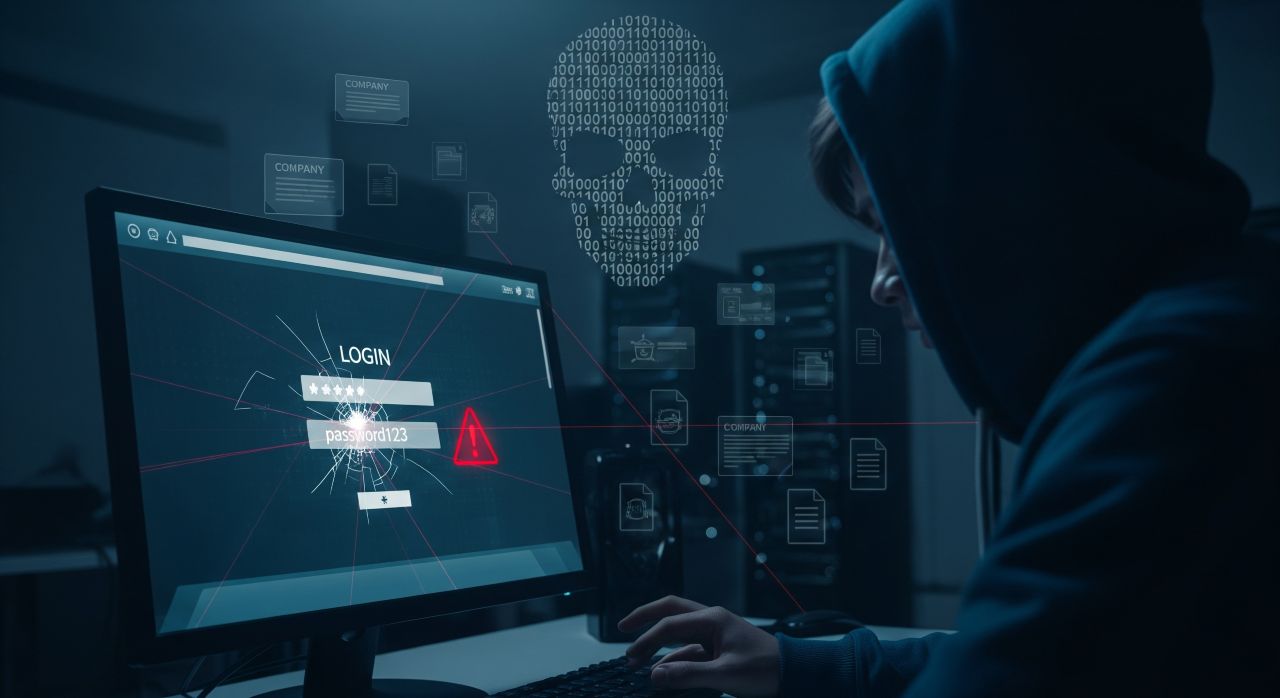
In an era where our lives are increasingly digitized, the weakest link can still be something as simple—and as human—as a password. Just ask the 700 people who lost their jobs when KNP Logistics, a 158-year-old UK transport company, collapsed after a ransomware gang breached its systems using a guessed login.
The attack was a masterclass in modern cybercrime. A single weak password likely opened the door, allowing the group known as Akira to encrypt all internal data and demand a multi-million-pound ransom KNP couldn’t pay. The result? Total shutdown.
This isn’t just one unlucky company. From M&S to Harrods, ransomware gangs are tearing through UK businesses, capitalizing on poor password hygiene and underfunded cybersecurity. For Gen-Z and beyond, the lesson couldn’t be clearer: one bad password could cost everything—your data, your job, even your legacy.
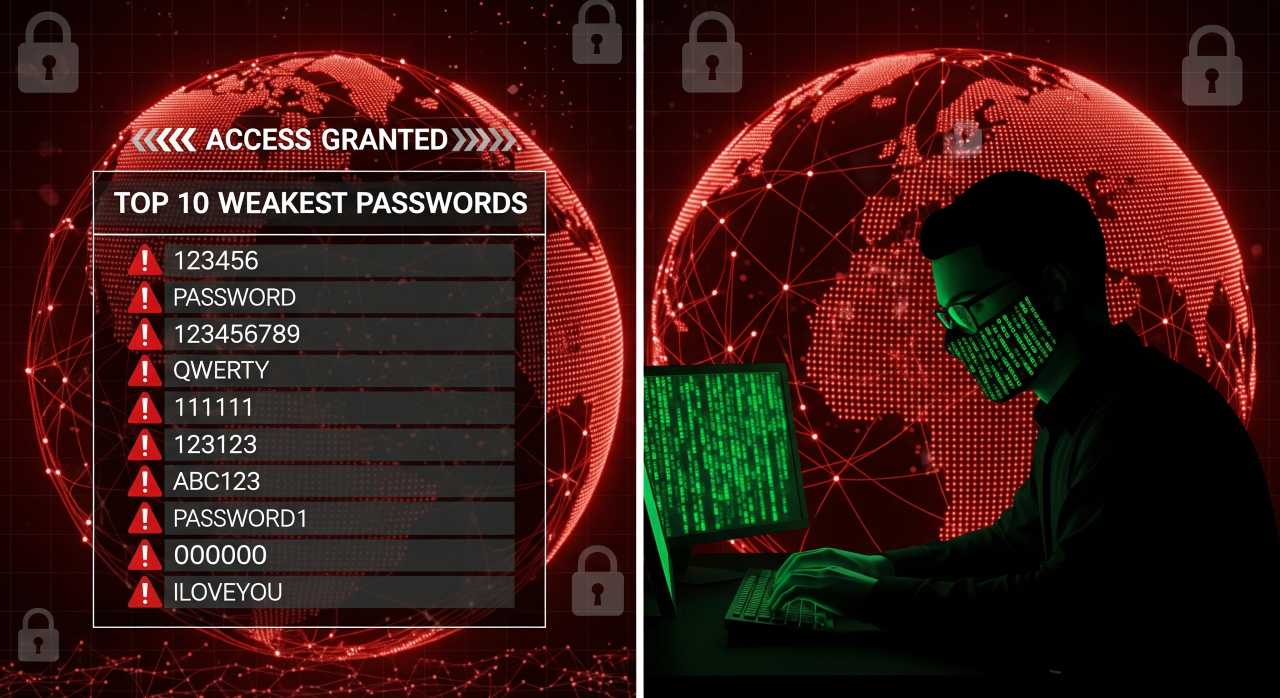
What Are the Top 10 Weakest Passwords Still in Use Today?
Despite countless warnings, people are still clinging to dangerously weak passwords—and hackers know it. Security firm NordPass regularly releases a list answering the question: what are the top 10 weakest passwords? The list reads like a digital horror story: “123456,” “password,” “qwerty,” and yes, even “abc123.”
These choices might be easy to remember, but they’re also the first thing hackers try in brute force attacks. In the case of KNP Logistics, one weak password was likely all it took for the ransomware group Akira to shut the company down. And they’re not alone. Major brands like Co-op and M&S have also been hit, with customer data stolen and operations disrupted.
The takeaway? If your password looks like something from that top 10 list, you’re not just playing with fire—you’re handing the matchbook to the hacker. Change it now. Your job (and your company’s future) might depend on it.
How a Cyber Heist Happens in Real Life
Here’s how it goes down. One day, everything’s running smoothly. The next, your company’s screens go black, and an ominous message appears: your data is encrypted, and you must pay a ransom to get it back. That’s what happened at KNP.
The hackers, working under the alias Akira, didn’t even need advanced tech. They found a way in—likely through a guessed password or social engineering—and then used ransomware-as-a-service tools bought on the dark web to seize control of the company’s systems.
According to the National Cyber Security Centre (NCSC), this is happening every day in the UK. Sometimes it’s as low-tech as calling an IT help desk and tricking staff into granting access. Other times, it’s phishing emails or credential stuffing. But the result is always chaos: shelves go empty, deliveries get delayed, customer trust evaporates.
Once inside, these hackers don’t just want money. They want leverage. And your weak password is their golden key.
Why One Weak Password Can Sink a Company
You’d think a 158-year-old business would have better defenses. But for KNP Logistics, one weak password appears to have spelled the end. The hackers didn’t need a massive exploit or zero-day vulnerability—they just needed an employee with poor password hygiene.
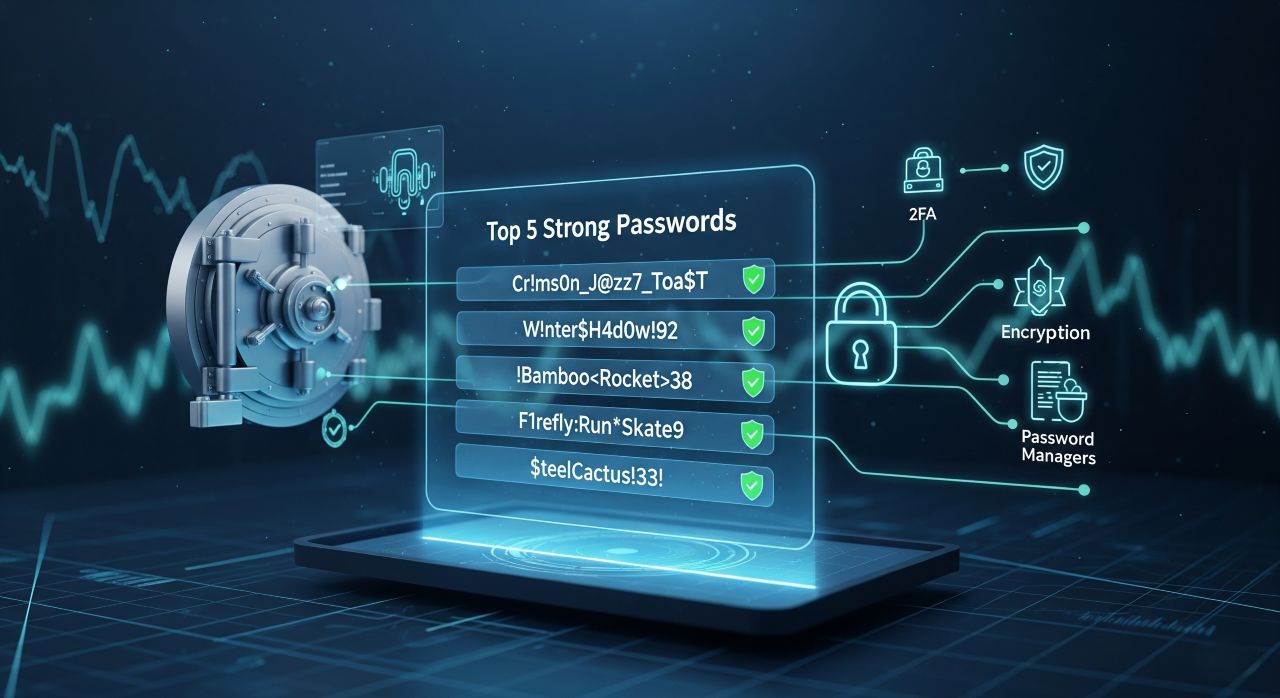
The situation raises a key question: “What are 5 strong passwords you can actually remember?” Experts suggest long, unique passphrases made from random words or combinations—like “Crimson!Jazz7Tundra!Toast.” Add two-factor authentication (2FA) on top, and you’ve got real protection.
As attacks grow more sophisticated—and easier to execute—even small businesses are becoming prime targets. And it’s not just about the money. Hackers are drawn to companies with outdated IT, untrained staff, and weak internal policies.
The lesson? Strong passwords aren’t optional anymore. They’re your first—and sometimes only—line of defense against organized crime.
The Rising Cost of Staying Silent
Here’s the real kicker: many companies don’t even report the attack. They just pay up and move on, fearing reputational damage or regulatory blowback. But that silence is fueling the rise of ransomware as a billion-dollar criminal industry.
Cybersecurity experts like Suzanne Grimmer from the National Crime Agency (NCA) and Richard Horne of the NCSC stress that transparency is key to tackling this crisis. Yet according to the UK government’s cyber survey, 19,000 ransomware attacks hit UK firms in just the past year—and that’s only what we know.
There’s growing momentum to force companies to report breaches and even ban public bodies from paying ransoms. But enforcement is tricky. As Paul Abbott, former director of KNP, now warns other businesses, “We need a cyber-MOT. Companies must prove they’re resilient.”
Until then, criminals will keep targeting the weakest links—because silence and weak passwords are the perfect accomplices.
One reply on “One Weak Password. 700 Jobs Lost. A Business Gone.”
Linktree Cryptozink11
KRIPTO11
Really Bad Advice