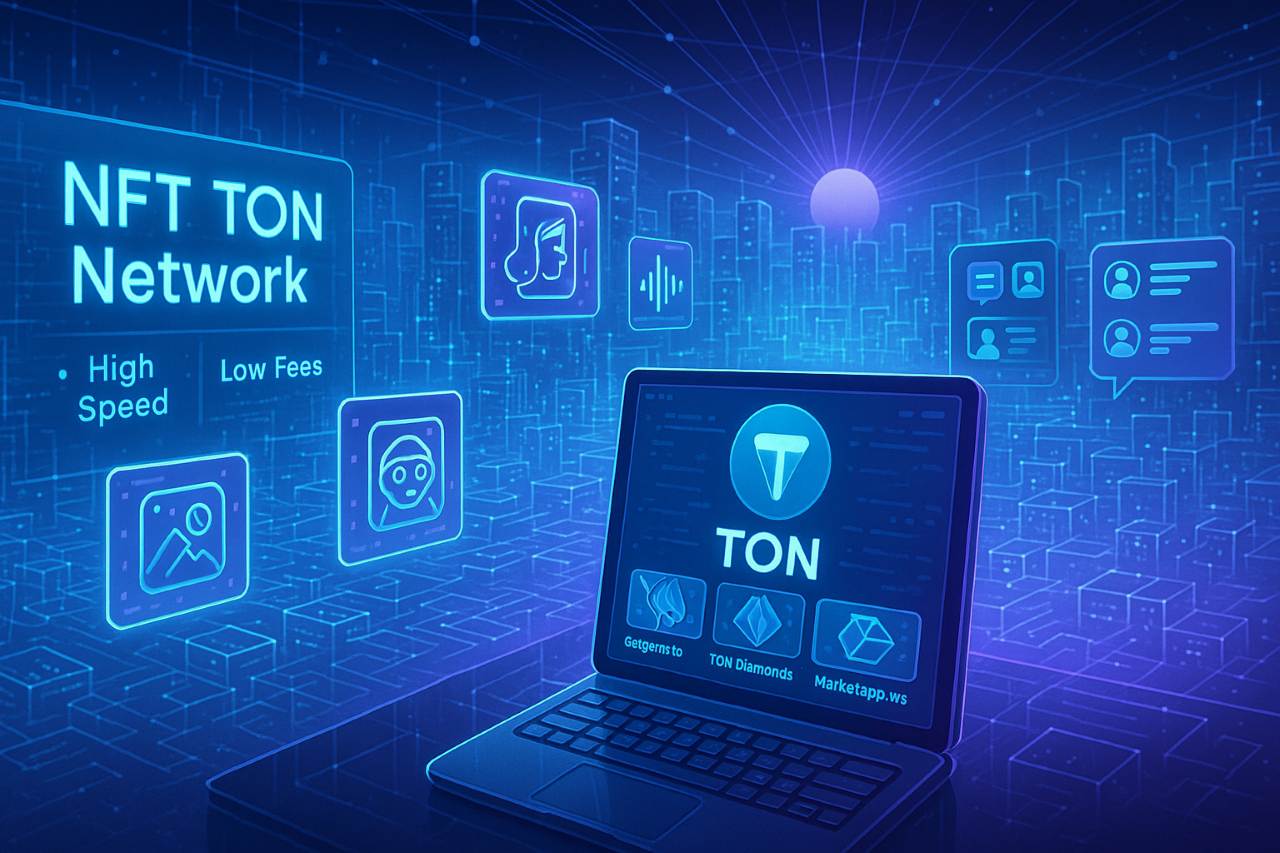
NFTs—or non-fungible tokens—have become a defining trend in digital ownership, offering creators and collectors new ways to monetize and authenticate digital content. From art and music to virtual land and collectibles, NFTs are shifting how we think about value online.
Among the rising stars in this space is The Open Network (TON), a high-performance blockchain originally developed by Telegram. With lightning-fast speeds, low transaction costs, and a growing base of NFT marketplaces, TON is carving out a unique position in the Web3 world.
This article explores why TON is emerging as a blockchain of choice for NFTs. We’ll unpack its technology, highlight key marketplaces, and look ahead to what makes the NFT Ton Network not just a platform—but a powerful ecosystem.
Is TON a Good Blockchain? What Makes It Stand Out for NFTs
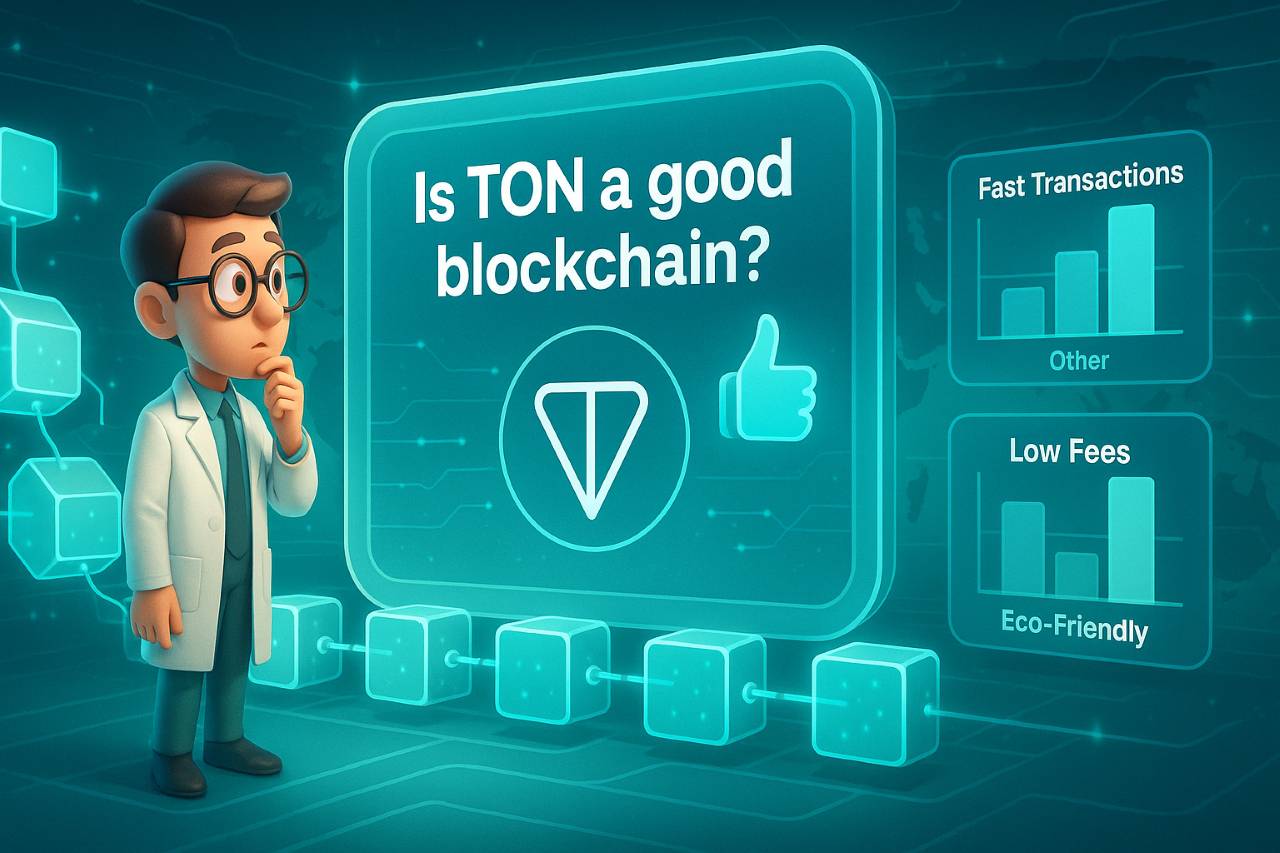
When it comes to blockchain performance, is TON a good blockchain? By most measures—speed, scalability, and user experience—it’s more than just good. It’s built for the demands of modern digital assets, particularly NFTs.
TON uses a multi-chain architecture with automatic sharding, allowing it to handle millions of transactions per second. This eliminates network congestion and ensures smooth operations during high-traffic periods like major NFT drops.
Another reason TON shines: its remarkably low fees. For creators and collectors alike, the economics of NFT trading improve drastically when gas fees are minimal. Combined with its robust security protocols, TON provides both performance and peace of mind.
Whether you’re minting, collecting, or building, TON offers the infrastructure that many older chains struggle to match. Its blockchain design is not just technically sound—it’s purpose-built for NFT ecosystems.
The Evolution of Digital Collectibles on TON
Digital collectibles are moving beyond hype and into utility. On TON, the shift is especially evident as artists, musicians, and developers explore more interactive and accessible formats.
What sets TON apart is its mobile-first integration—especially through Telegram, which has over 900 million global users. This allows NFTs to be accessed, shared, and even minted directly within messaging platforms. The result is an ecosystem that feels both seamless and social.
NFTs on TON are not just static files. They’re part of dynamic marketplaces that encourage community engagement, creator feedback, and in some cases, gamified participation. Whether it’s a limited-edition digital album or a collectible series tied to a social project, TON supports diverse applications.
As NFT technology matures, platforms like TON are leading the way by making digital assets more practical, versatile, and accessible to a broader audience—not just tech insiders.
Inside the NFT Ton Network: Marketplaces Powering the Future
The NFT Ton Network is home to a fast-growing suite of NFT marketplaces, each offering unique tools and opportunities for creators and collectors. These platforms are optimized to run smoothly on TON’s high-speed blockchain.
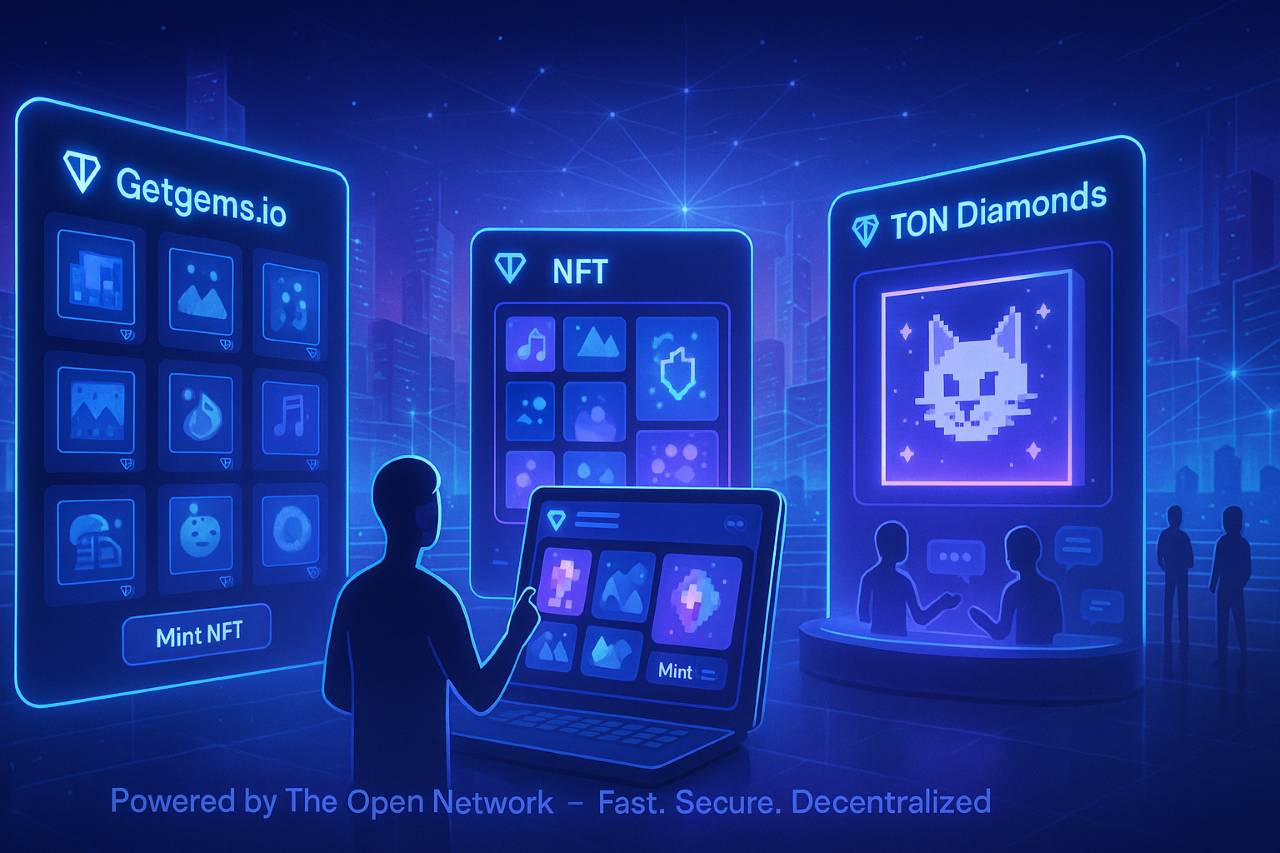
Getgems.io is the most active TON NFT marketplace. Known for its low fees and intuitive design, it supports everything from curated art drops to dynamic collectible series. It’s an ideal entry point for newcomers and pros alike.
TON Diamonds focuses on rare and premium NFT assets, often releasing exclusive, high-value collections. With strong community engagement and limited supply drops, it attracts serious collectors.
Marketapp.ws, meanwhile, emphasizes versatility. From music rights and digital art to metaverse real estate, this platform supports a broad range of NFT formats and use cases.
Together, these marketplaces demonstrate the strength and flexibility of the NFT Ton Network—an ecosystem that’s expanding rapidly without sacrificing ease of use or performance.
TON’s Technical Architecture and the Road Ahead
One of the more innovative aspects of TON’s NFT structure is its use of individual smart contracts for each NFT. While this increases flexibility and performance, it also introduces new challenges for developers.
Under TON’s TEP-62 and TEP-64 standards, each NFT is independently managed. This architecture allows for massive scalability and minimal bottlenecks, but it also requires querying both the collection-level contract and the individual NFT contracts to retrieve full metadata or track transfers.
That said, this design choice offers significant long-term advantages. It supports collections of virtually any size while minimizing infrastructure costs. It also makes NFT ownership and history fully verifiable without compromising network speed.
Looking ahead, expect more tools, APIs, and cross-platform features that streamline the developer and user experience alike. As NFT adoption grows, TON’s blockchain is poised to handle the demands of tomorrow’s digital economy—and perhaps define it.
One reply on “NFT Ton Network: The New Hub for Digital Collectibles”
Linktree Cryptozink11
KRIPTO11
clark spencer