
Why Toncoin’s Promise Draws Scammers Too
In the span of a few product cycles, Toncoin moved from a niche experiment to a payments-and-apps rail tightly woven into Telegram’s chat interface. Fast finality and low fees lowered barriers for real users—and for bad actors. Fraud doesn’t bloom in the shadows alone; it grows wherever on-ramps are easy, communities are dense, and guardrails feel optional. That, in short, is why Cryptocurrency fraud with toncoin became both visible and predictable.
The Telegram Effect
Mini apps and bots compress the entire funnel—marketing, signup, wallet connect, and transaction—into a single chat thread. That convenience blurs lines between “official” and “fan-made,” a blur scammers exploit with convincing usernames, logos, and imposter support accounts.
Speed, Costs, and Psychological Pressure
Low fees remove friction for micro-grifts (think drip-drainers and fake “verifications”). Fast settlement ramps up pressure tactics: “Limited slots,” “bonus ends in 10 minutes,” “send TON now to unlock.” When blocks confirm in seconds, your judgment window narrows to heartbeats.
The Toncoin Investment Scam: How the Pitch Works
The “Toncoin Investment Scam” isn’t one scheme; it’s a family of scripts that recycle the same beats: authority, urgency, exclusivity, and a tidy exit.
1) Fake Staking & “Earn” Programs
You’re promised 25–60% APY if you lock TON (or jettons) in a “liquidity vault.” The site shows a slick dashboard with fabricated yields, but withdrawals fail just when balances look impressive.
2) Airdrop & Allowlist Bait
Scammers seed links in Telegram channels promising an airdrop. The dApp prompt asks for broad toncoin wallet permissions (including token transfers). One click later, a drainer empties your holdings.
3) “Official” Bot Impersonation
Bots using TON-adjacent names mimic trusted services. They request “verification deposits” or invite you to “recover” locked funds—for a fee.
4) Mining & Cloud Hashrate Mirages
“Buy hashrate with TON, withdraw daily.” Dashboards tick up, just enough to feel real. Payouts stall until you “upgrade your tier.”
5) Social Engineering: Romance + “Pig-Butchering”
An online contact nurtures trust for weeks, then introduces a “can’t-miss TON opportunity.” Screenshots of wins roll in; you’re encouraged to start small, then go all-in. When you ask to withdraw, the fees multiply—or the line goes dead.
Cryptocurrency Money Laundering: Where the Trail Goes Next
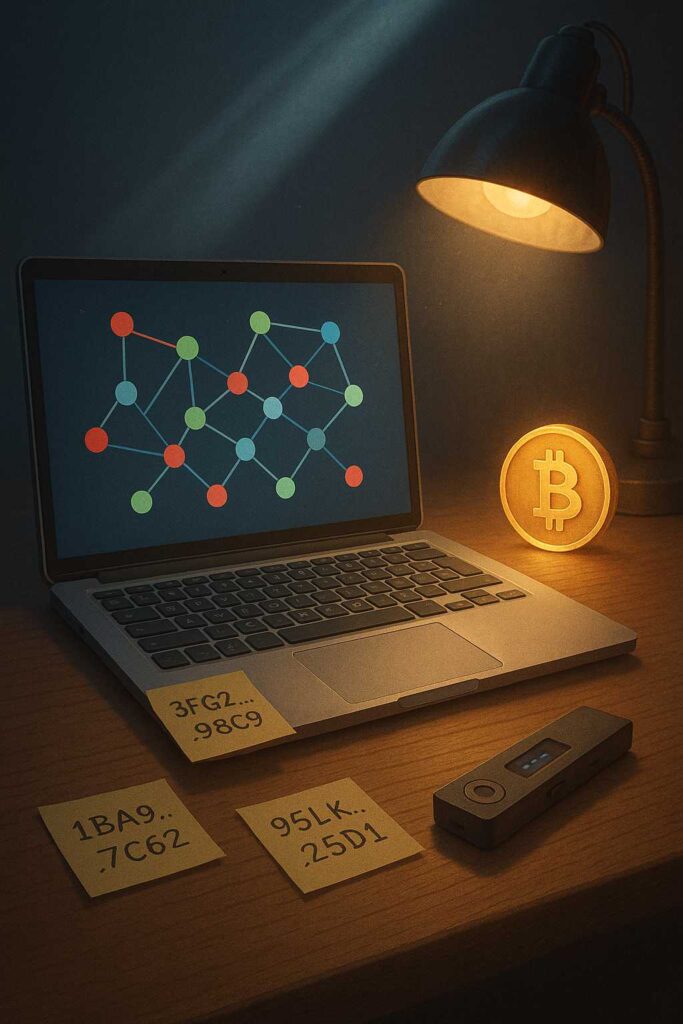
Fraud rarely ends with the first transfer. Proceeds move quickly through a stack of on-chain and off-chain layers designed to break analytics.
Layering Tactics You Should Know
- Rapid Splitting: Funds scatter across dozens of fresh addresses, then reconverge.
- DEX Hops and Jetton Swaps: Swapping TON into jettons (and back) muddies provenance.
- Cross-Chain Bridges: Moving value to chains with different monitoring coverage buys time.
- Cash-Out Vectors: OTC desks with weak KYC, “money mule” accounts, or high-risk exchanges.
For most victims, tracking the full path is infeasible. Your practical focus: freeze the damage early and document everything you can—transaction hashes, bot handles, domains, timestamps.
Toncoin Wallet Red Flags: A 60-Second Gut Check
Before you tap “Connect” or “Send,” run this quick screen:
- Identity Mismatch: The bot/site handle differs by one character from the real brand; links use URL shorteners.
- Permission Creep: A dApp requests sweeping transfer rights unrelated to the task.
- No Public Docs: No whitepaper, no team page, no repository—even though the project claims big-league partners.
- Asymmetric Support: “Support” only lives in DMs and pushes you to pay a “release fee.”
- Unverifiable Contracts: The token or contract isn’t verified on explorers; the address changes mid-conversation.
- Riskless Yield Claims: “Guaranteed” returns, fixed daily profits, or yields detached from market reality.
Rule of thumb: If a project discourages you from checking third-party sources—or mocks you for doing due diligence—walk away.
How to Avoid Scams (Without Going Off-Grid)
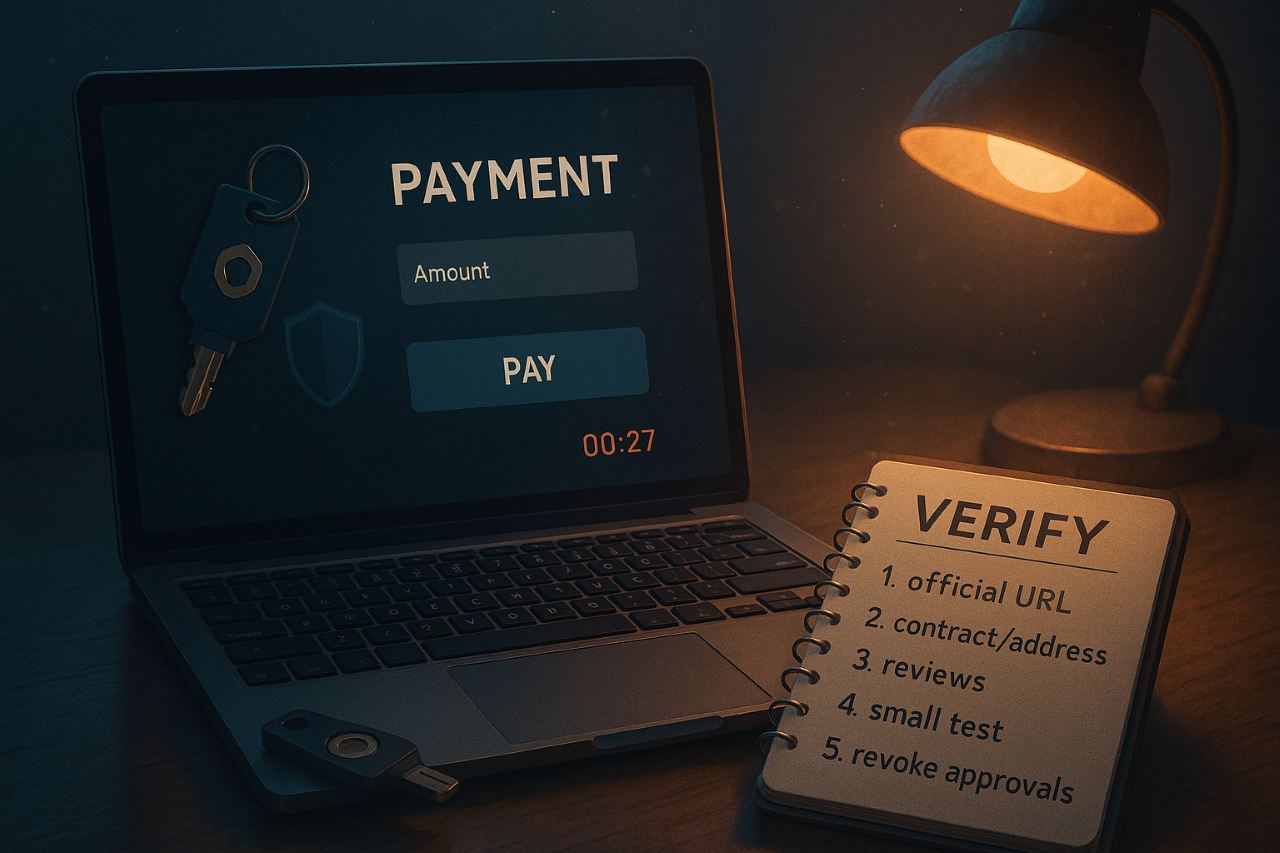
Here’s a practical, how to avoid scams flow you can actually use:
Step 1: Verify the Project’s Footprint
Find the official website and cross-check social links from there (not the other way around).
Search the project name + “scam,” “review,” and “contract address.” Real builders welcome scrutiny.
Step 2: Validate Contracts and Bots
On a reputable explorer, confirm contract verification, creator history, mint rules, and holder distribution.
For bots, check the username history, creation date, and whether the “About” matches the official site.
Step 3: Reduce Blast Radius
Keep a burner toncoin wallet for experimental dApps; never test with your main holdings.
Approve the minimum permissions, revoke unused allowances regularly.
Step 4: Slow the Tempo
Legit opportunities survive a 24-hour wait. Screenshots and testimonials can be faked; numbers on a dashboard can be staged.
Step 5: Move Conservatively
Start with tiny amounts and a pre-set loss limit for tests. If even a micro-withdrawal stalls, stop.
If You’ve Been Hit: Contain, Document, Report
- Freeze exposure: Revoke approvals, rotate seed-stored funds to fresh wallets, and halt all new dApp connects.
- Capture evidence: Hashes, domains, bot handles, chat logs, timestamps, and any payment addresses.
- Report widely:
- Your local cybercrime unit or financial regulator’s reporting portalThe platform (Telegram handle/report, hosting providers, domain registrars)Blockchain intelligence tip lines (some accept reports and share intel with exchanges)
- Watch for secondary scams: “Recovery” services that demand upfront fees are often the same actors in a new costume.
Frequently Asked Questions
What’s the safest way to store Toncoin?
Use a reputable toncoin wallet with strong reviews, open security disclosures, and active development. Enable every available safety feature (PIN/biometric, passcode timeouts). For significant amounts, consider hardware wallets compatible with TON or tiered storage (hot for small spends, cold for the rest).
Are all airdrops dangerous?
No—but every airdrop request for wide-ranging permissions deserves suspicion. Verify the official announcement channel, compare contract addresses, and test with a throwaway wallet.
Can I recover stolen TON?
On-chain reversals are rare. Your best outcomes come from early containment, crisp documentation, and fast reports that trigger exchange blacklists—sometimes catching funds before the final cash-out.

One reply on “Cryptocurrency Fraud with Toncoin: Stay Safe”
tikiokviral
Casino Telegram bot
Ton coin
Ton wallet
tikiokviral
Jetstar Australia
LINK IN BIO
LINK IN BIO
Crypto
telegram bot
BTC