The Quick Take
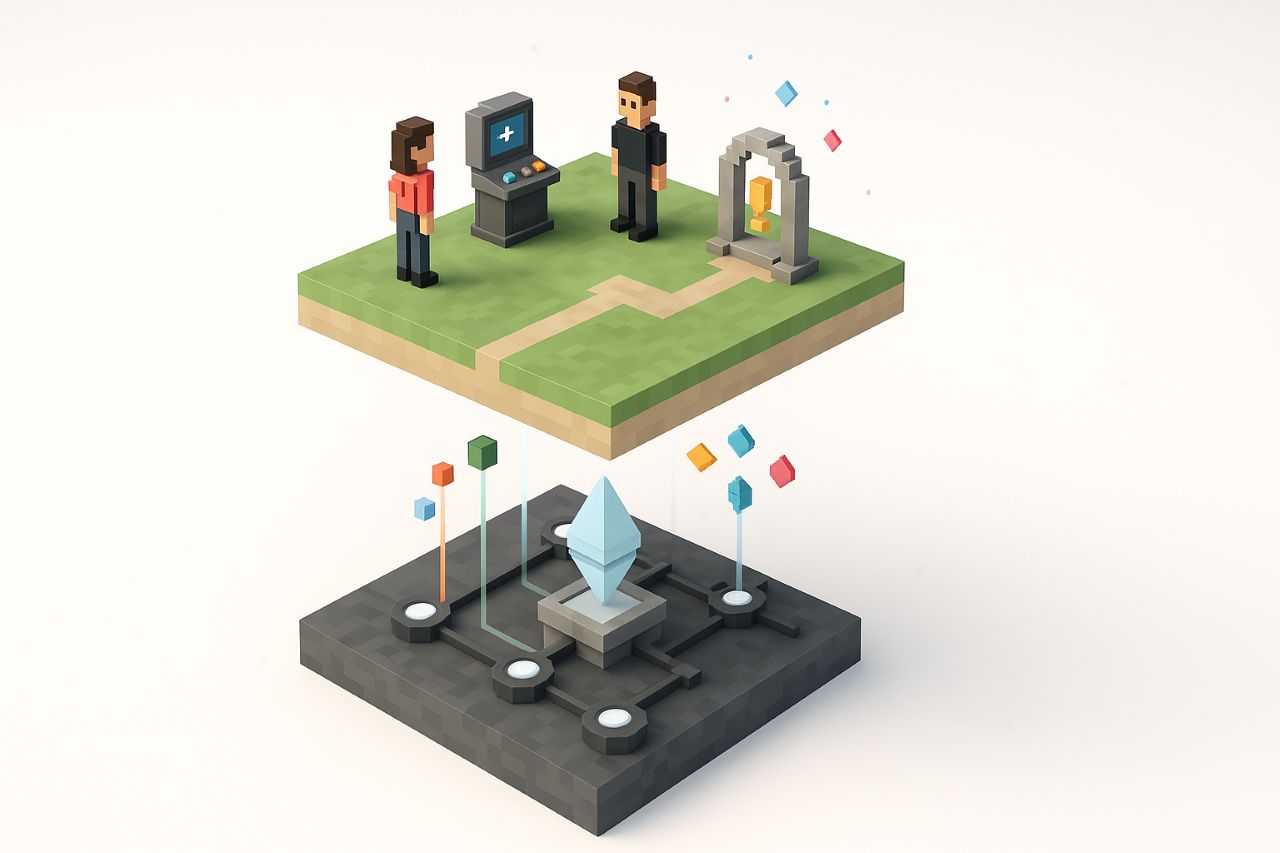
The Sandbox is a UGC metaverse—a voxel, user-generated world where players, artists, and studios build interactive spaces, sell NFT assets, and run events. Its token, SAND, powers payments, staking, and governance. Earning is possible, but it’s not a faucet: creators and organized teams do best, while casual players should expect event-based rewards rather than a salary.
What Is The Sandbox? (and where SAND fits in)
Think Minecraft-meets-Monetization: a voxel editor (VoxEdit) and no-code Game Maker let you build worlds and items, then list them on an official Marketplace and host playable experiences on your LAND. SAND (an ERC-20 token) fuels purchases, governance, and staking. The platform is published by Animoca Brands and continues to ship creator-first features and events.
Is The Sandbox play to earn?
Short answer: Yes—but with caveats. Players can earn SAND through time-boxed events, quests, and community programs; creators can earn via sales and royalties. Returns vary and depend on skill, demand, and timing; it’s not guaranteed income.
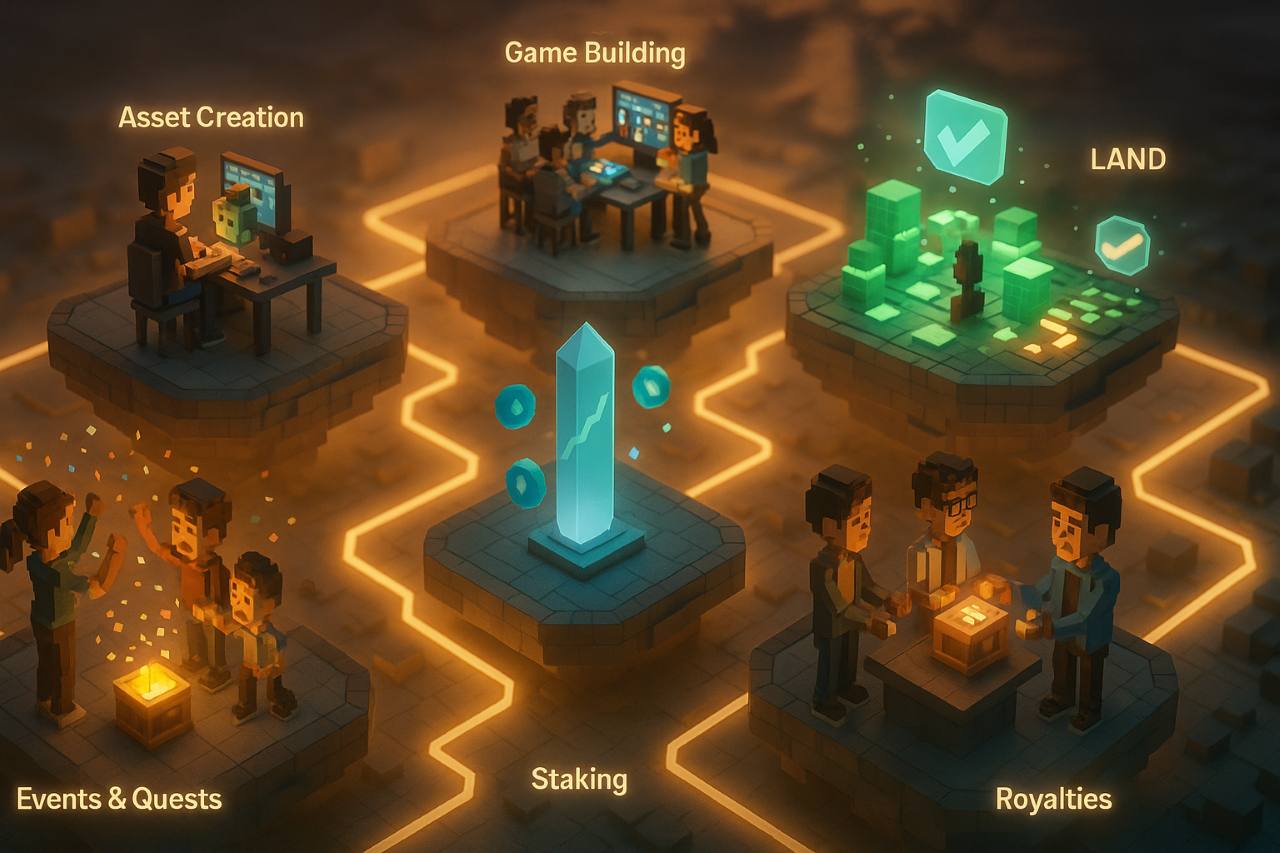
How do you earn money in The Sandbox—really?
A) Create 3D assets (VoxEdit) and sell on the Marketplace
Artists mint items (characters, props, wearables) and list them. The current royalty split on resales routes 95% to the seller, 2.5% to the original creator, 2.5% to The Sandbox Foundation—which helps fund grants and rewards.
B) Build games & experiences (Game Maker)
Use the no-code Game Maker to publish interactive spaces on your LAND or collaborate with LAND owners and brands. Monetization occurs via asset sales, sponsored experiences, and event rewards.
C) Sell—or rent—LAND (virtual real estate)
LAND is the map square where you publish experiences. Some community guides note creators buy, hold, rent, or develop LAND for income. (Rental mechanics and demand can change with market cycles.)
D) Join events & quests
Seasonal events award SAND and NFTs to players who complete quests—this is the most accessible path for casuals. See this events & quest strategy for how to maximize rewards and eligibility.
E) Stake SAND
Holders can stake for passive rewards; LAND owners may access dedicated staking programs with multipliers. Yields and terms change, so check the official Staking page before locking tokens.
F) Earn creator royalties on secondary sales
A royalty redistribution system routes a portion of secondary-market proceeds back to original NFT creators—paid directly to their wallets on the official Marketplace.
Why is The Sandbox so popular with brands and creators?
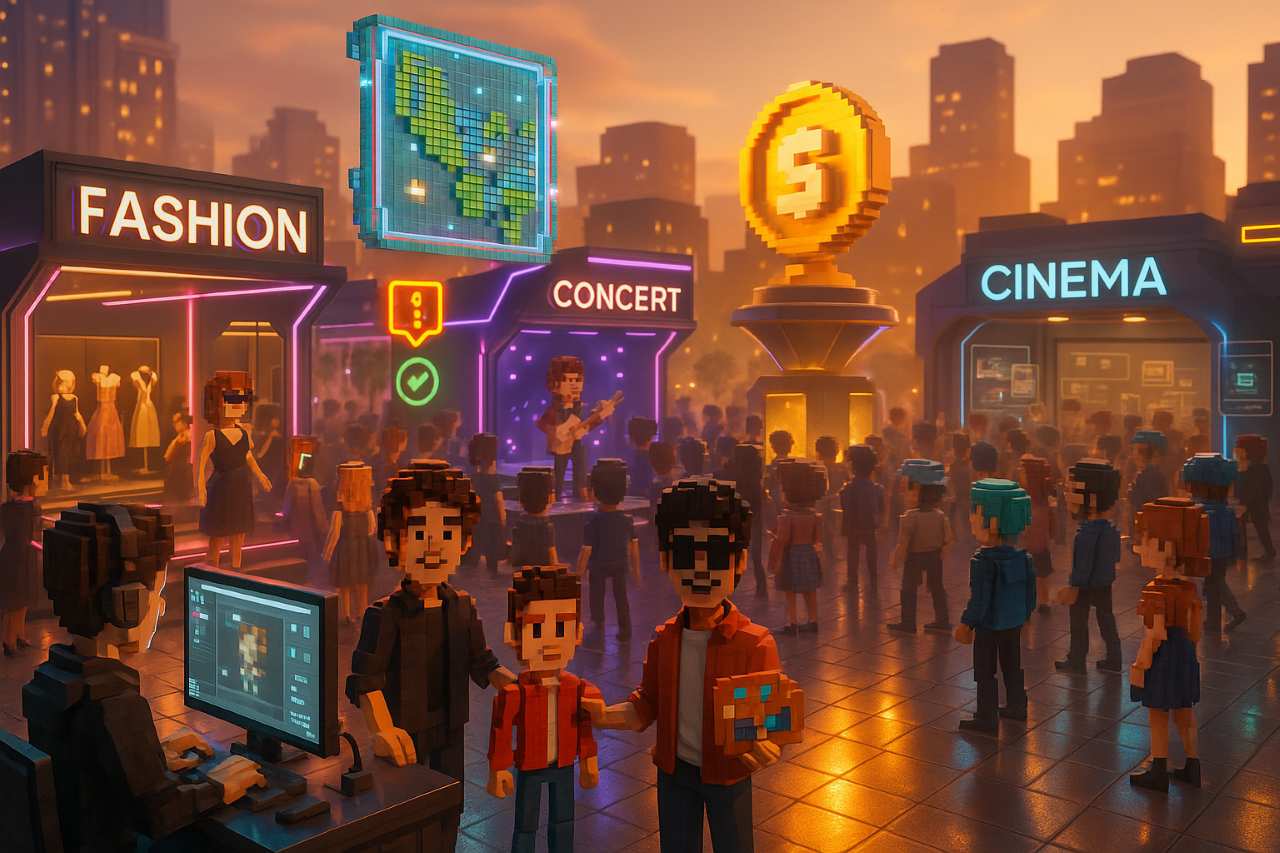
IP gravity: Big names and cultural institutions have built activations—fashion houses, K-pop, and movie IP—keeping the platform culturally visible. Recent briefs highlight collaborations such as ATEEZ and Jurassic World, while Gucci has launched multiple immersive spaces, from Vault Land to Gucci Cosmos Land.
Creator economics: Native royalties, a funded Foundation (Game Maker Fund & Creator programs), and in-house Marketplace tooling reduce friction for builders.
Still shipping: Docs and changelogs show ongoing updates—new Game Maker features, staking refreshes, and Marketplace improvements—signaling active development.
Is “sandbox money” real?
Yes, with standard crypto disclaimers. SAND is an ERC-20 utility token, used for purchases, rewards, and governance; value fluctuates with market conditions, and cash-out typically happens via compliant exchanges subject to local laws. Treat it like any volatile digital asset, not a paycheck.
Getting started (step-by-step)
- Create an account at the official site; set up a compatible wallet.
- Experiment with VoxEdit and Game Maker (free tools). Publish test builds.
- Mint and list a simple asset to learn pricing, fees, and royalties.
- Play events to sample the quest loop and potential rewards.
- Scale up: collaborate with LAND owners or apply for creator programs/grants if available.
- Optional: explore staking if it fits your risk profile.
Risks & reality check (read this before you ape in)
- Earnings aren’t guaranteed. Event rewards are finite and competitive; creator sales depend on demand and marketing.
- Token volatility. SAND’s price moves with the crypto cycle, which can boost—or erase—ROI. Industry briefs show sizable swings even within a quarter.
- Opportunity cost. High-effort builds pay off mainly when you ship polished content, secure brand work, or build a community—just like indie game dev.
FAQ
Q: Is The Sandbox play to earn?
A: Yes, via time-limited events, quests, and creator programs; it’s not a guaranteed income stream.
Q: Why is sandbox so popular?
A: Brand activations (fashion, film, music), robust creator tools, and royalty mechanics keep builders engaged.
Q: Is sandbox money real?
A: SAND is a real crypto token used in-platform and on exchanges; cash-out depends on your local regulations and exchange access.
Q: How do you earn money in sandbox?
A: Create and sell assets, build and monetize experiences, trade or rent LAND, join events, stake SAND, and collect royalties from resales.

One reply on “The Sandbox: How It Works & Real Ways to Earn”
tikiokviral
Casino Telegram bot
Ton coin
Ton wallet
tikiokviral
Jetstar Australia
LINK IN BIO
LINK IN BIO
Crypto
telegram bot
BTC