
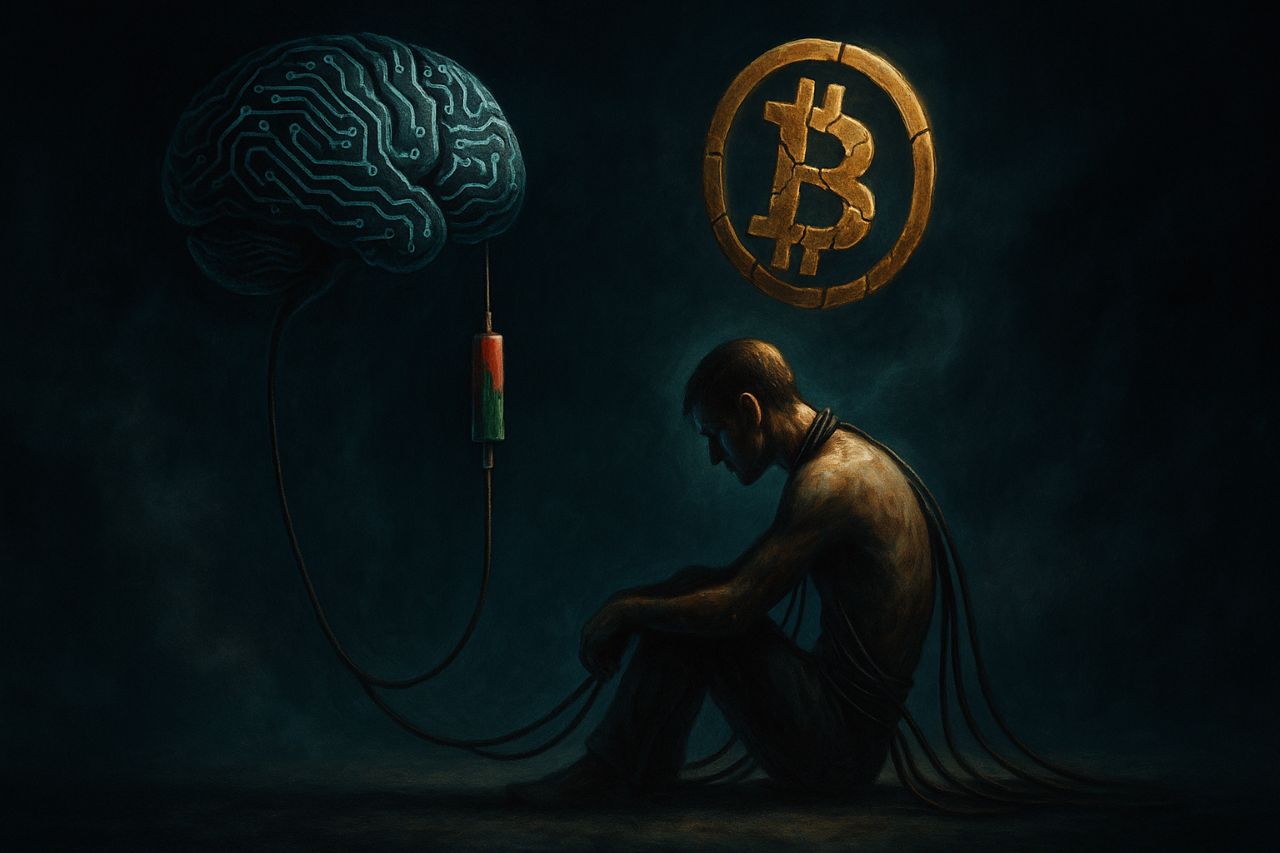

What “Bitcoin Addiction” Really Means
Bitcoin addiction isn’t a clinical diagnosis in the DSM, but researchers increasingly describe problematic cryptocurrency trading—a pattern of compulsive buying, selling, and chart-watching that persists despite financial, social, or health damage. Here’s a practical beginner’s guide to responsible crypto use you can follow today. The picture overlaps with behavioral addictions and problem gambling: intermittent rewards, volatile payoffs, social hype, and 24/7 access create a powerful loop. Recent reviews and scale-development studies propose—and measure—“problematic crypto trading” in ways that mirror gambling criteria.
Why it hooks us
- Variable rewards (moon one day, crash the next) turbocharge FOMO and loss-aversion.
- Always-on markets + social feeds = constant triggers.
- Leverage & perpetuals amplify both gains and desperation to “win it back.”
Is Bitcoin a Form of Gambling?
Short answer: It can be—especially the way many people use it. Multiple studies find strong ties between crypto trading intensity and gambling-like behaviors; some argue certain forms of speculative crypto trading are gambling in practice, even when legal labels differ. The overlap is greatest where risk is maximized (short-term speculation, high leverage, meme coins).
Key differences from traditional investing
- Fundamentals vs. flow: Price often moves more on liquidity, narratives, and momentum than discounted cash flows.
- 24/7 markets: No market close means fewer natural “stop” cues.
- Frictionless access: One tap from a social post to a trade.

How Does Crypto Affect Mental Health?
For some, crypto is a hobby; for others, it becomes a stress machine. Research links heavier crypto speculation with sleep disruption, anxiety, depressed mood, and co-occurring risk-taking (e.g., binge behaviors). Harm tends to rise with FOMO, impulsivity, and problem-gambling scores.
Red flags to watch for
- You hide trades or debt.
- You chase losses or keep upping leverage.
- Your mood tracks the chart; sleep and relationships suffer.
What Is the “Three-Body Problem” in Crypto?
The phrase borrows from physics to describe crypto’s unruly orbit of code, markets, and community norms. In practice, the interaction of incentive design (tokens, fees), narrative cycles (hype/fear), and social rules (what a community celebrates or shames) can create chaotic feedback loops—great for bubbles, brutal for self-control. Understanding this “three-body” dynamic helps explain why even disciplined people can get pulled off-course.

How to Deal with Crypto Addiction? (A Practical Playbook)
1) Stabilize the bleed (today).
- Freeze the firing line: Remove exchange apps from your phone; enable cool-off or withdrawal locks where available.
- Segregate bills money: Move rent, food, and tax funds to a non-linked bank account.
- Honest audit: List positions, debt, leverage, and monthly obligations.
2) Replace the loop.
- Schedule screen-free windows (start with 90 minutes AM/PM).
- Swap triggers: If evenings are risky, plan a gym class or a walk with a friend.
3) Add external guardrails.
- Accountability buddy (someone who can ask, “show me the trades”).
- Blockers (DNS/app blockers) on exchanges and Twitter lists that spike urges.
4) Get clinical support if the behavior is entrenched.
Specialist clinics now treat crypto trading or bitcoin addiction under the umbrella of gambling disorder; methods include CBT, motivational interviewing, and 12-step frameworks. UK reporting highlights dedicated programs and rising referrals; therapists also note knock-on harms to finances and relationships.
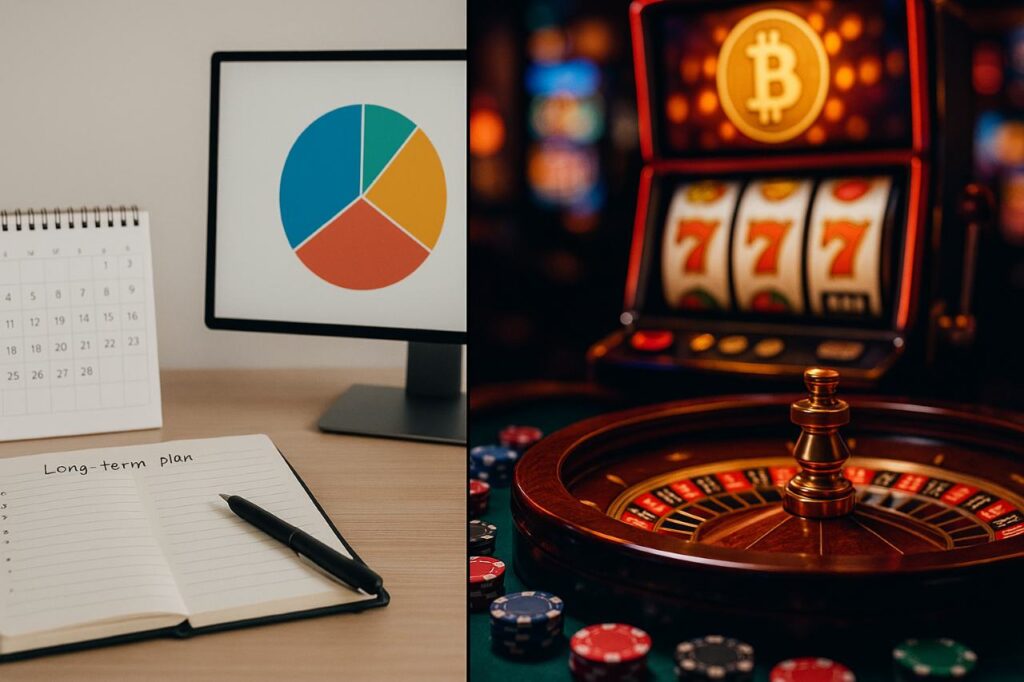
5) Build a rational plan (if you still want exposure).
- No leverage, no shorting, no perps.
- Position sizing: <1–5% of liquid net worth per speculative position.
- Automate DCA (if investing long-term) and set pre-committed exit rules.
- Quarterly review only. If you must check prices, batch it: e.g., Sundays 4–5 p.m.
If you still want measured exposure, follow this no-leverage investing plan with position sizing and review cadence.
Quick Self-Check (informal, not a diagnosis)
- If you answer “yes” to 3+ of these, consider talking to a professional:
- I’ve lied to someone about losses or time spent trading.
- I’ve chased losses or used leverage to “make it back.”
- I feel restless or irritable when I try to stop.
- My sleep, work, or relationships are deteriorating.
- I’ve sold possessions or taken on debt to keep trading.
Emerging screening tools (e.g., Problematic Cryptocurrency Trading scales) aim to measure exactly these patterns.
Frequently Asked Questions
How to deal with crypto addiction?
Start with access friction (delete apps, enable cool-offs), money firewalls (separate essentials), and routine rewrites (chart-free blocks). If urges persist or harm has occurred, seek a clinician with gambling-disorder experience; programs treating crypto trading now exist.
Is bitcoin a form of gambling?
Not legally in most places, but speculative trading often functions like gambling and correlates with problem-gambling scores in studies. It depends on how you engage (time horizon, leverage, risk).
How does crypto affect mental health?
Heavy, high-risk trading correlates with anxiety, sleep problems, and stress, particularly when FOMO and impulsivity are high.
What is the three body problem in crypto?
A framework showing how software design, markets, and social norms interact chaotically—fueling cycles that can pull people into unhealthy behavior.
Where can I get help?
Look for clinicians or clinics treating problem gambling or bitcoin addiction; many now recognize crypto trading presentations. In the UK and EU, ask your GP for referrals; some programs are covered or subsidized.

One reply on “Bitcoin Addiction: How Crypto Affects Mental Health”
tikiokviral
Casino Telegram bot
Ton coin
Ton wallet
tikiokviral
Jetstar Australia
LINK IN BIO
LINK IN BIO
Crypto
telegram bot
BTC