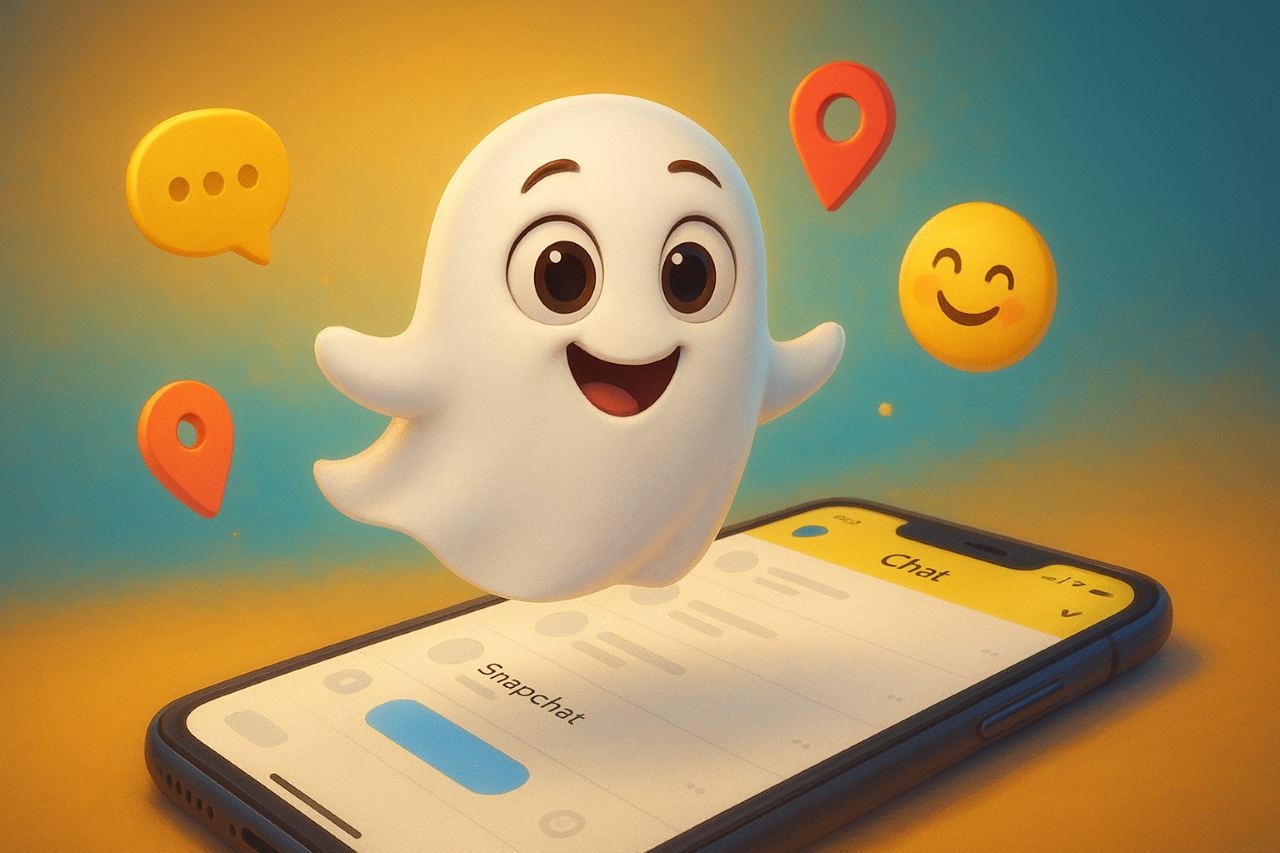
Snapchat AI chatbot has exploded into the mainstream. Transforming from a beta feature into a permanent fixture atop millions of users’ chat feeds. Powered by OpenAI’s GPT models, My AI helps with trivia, gift ideas and jokes, and it tailors suggestions using personal data such as location. Released to subscribers in February 2023 and then rolled out for free in April. The chatbot now occupies prime real estate in an app used by roughly 60 % of American teens.
But the rollout hasn’t been smooth. Reviews in the App Store plunged after users complained about “creepy” location awareness, unwanted conversations and the inability to remove the bot without paying a premium. Snap has since added safety tools, including an age filter and parental oversight, and insists that fewer than 0.01 % of the bot’s responses break its guidelines. As generative AI becomes ubiquitous. My AI forces both tech companies and families to wrestle with what it means to talk to a machine that feels human.
My AI Snapchat Creepy? Unpacking the Backlash
Snap launched My AI as a friendly companion, but many users quickly found it unnerving. Some even dubbed the experience “My AI Snapchat creepy,” pointing to unsettling moments that felt too personal or intrusive. Critics on social media described interactions where the bot denied knowing a user’s location, only to recommend a nearby McDonald’s, prompting accusations of gaslighting. Others noted that only Snapchat+ subscribers can unpin or hide the bot, leading to thousands of one-star app reviews.
Privacy questions also swirled when some users claimed the bot responded to photos with specific comments, raising fears about how images and location data are processed. Snap later clarified that the AI doesn’t collect new location information and only accesses location if the user has consented. Yet the mistrust persists, fuelled by reports that the bot gave inappropriate advice about sex, underage drinking and lying to parents.
These episodes, logged in the AIAAIC repository of AI incidents, underscore the risks of releasing a generative system into a youth-focused app. Snap notes that it has since introduced stronger age-based rules, OpenAI’s content-moderation system and temporary bans for users who try to provoke harmful answers. Whether that’s enough to restore trust remains to be seen.
How My AI Works: From Chatbot to Trendsetter
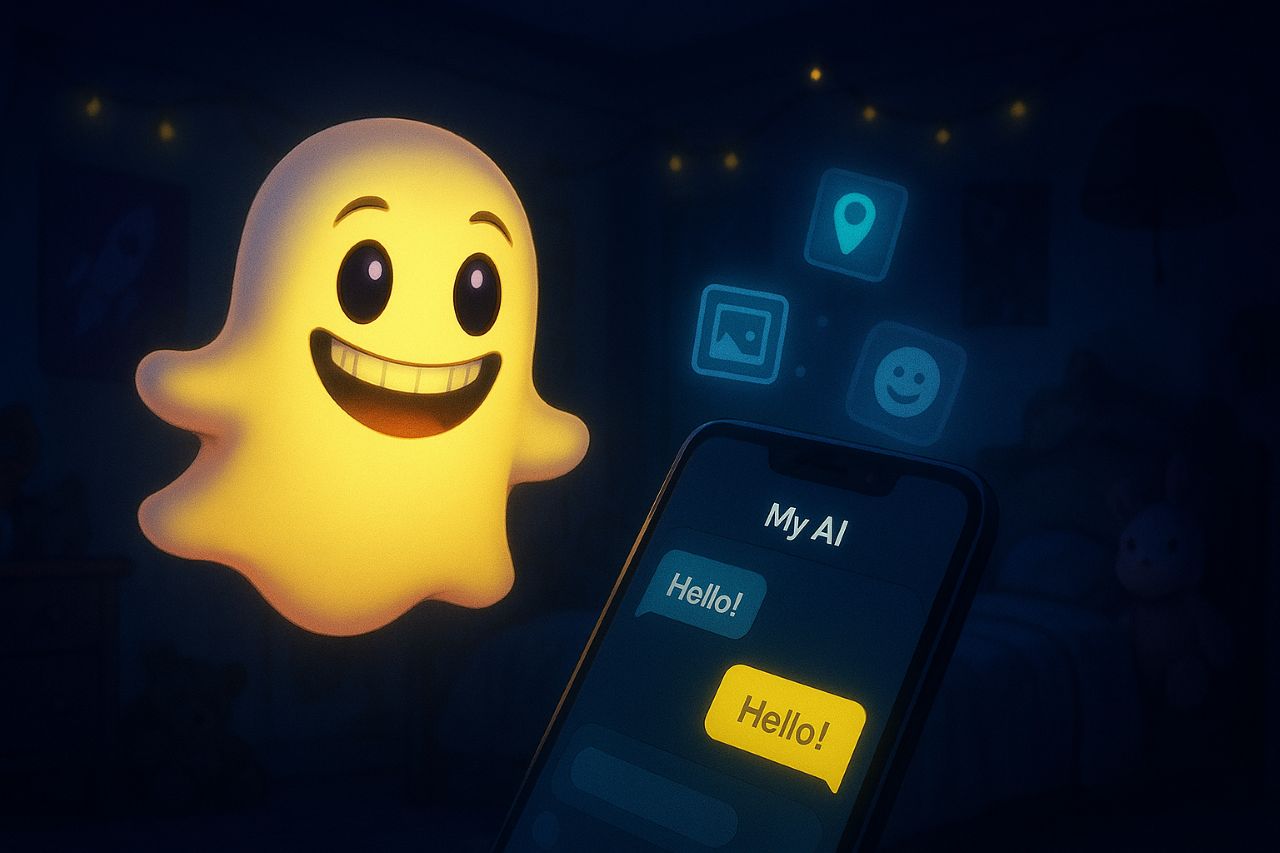
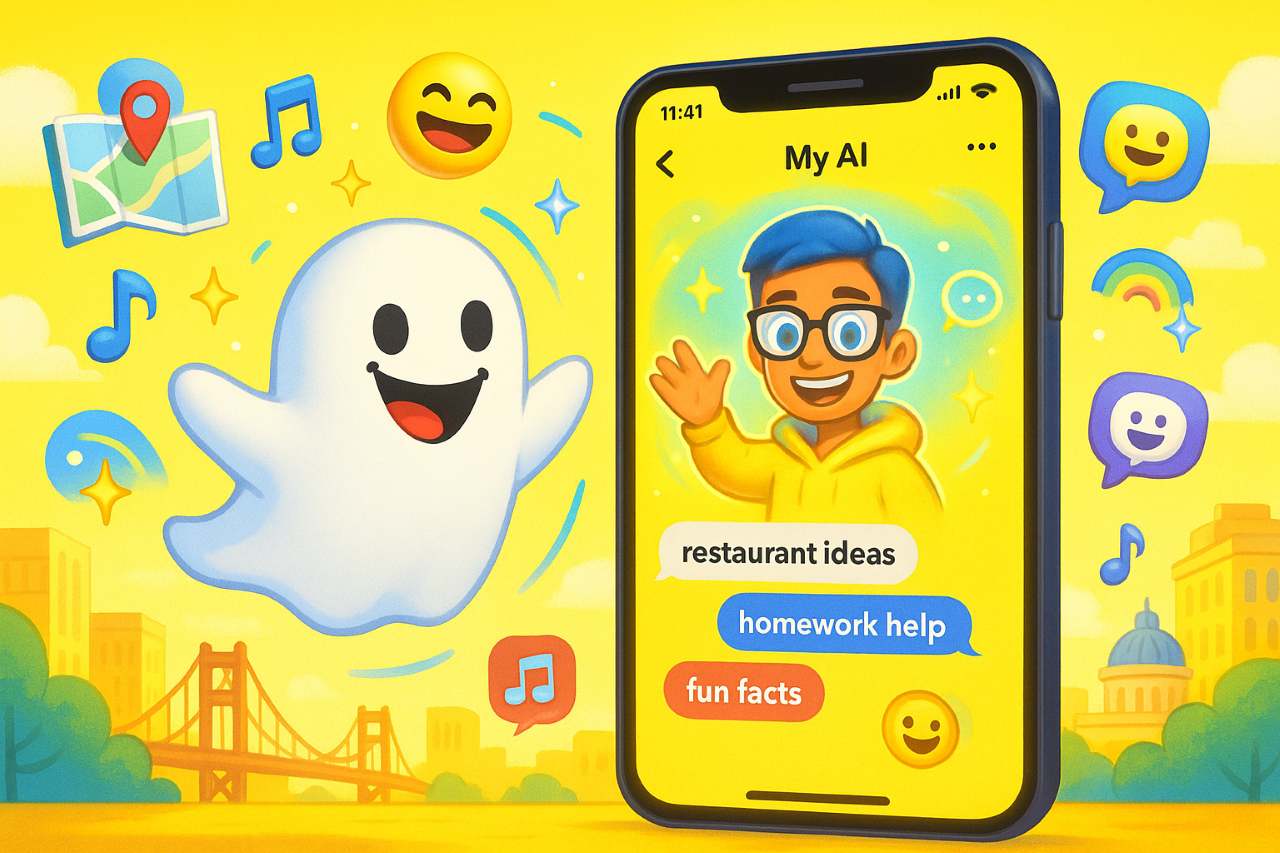
So what exactly is the AI on Snapchat for? My AI runs on GPT‑4/3.5 models. It can answer questions, recommend local restaurants and help plan trips; users can even customise its name and Bitmoji avatar. Unlike ChatGPT, it lives inside your chat feed and draws on your Snapchat data to personalise responses. Snap says this data includes your location only if you’ve opted in, and it uses the information to surface geographically relevant features like lenses, search results and ads.
Beyond chat, Snapchat uses AI across its platform. Its AR lenses rely on machine‑learning models to detect faces, build 3‑D models and overlay effects. Generative AI can transform selfies into cosmic scenes, while algorithms recommend lenses based on context such as weather. For advertisers, AI scores ads and predicts which ones will resonate with specific users. Machine‑learning tools also flag drug‑related content: Snap reports that in the first half of 2021 it removed 112 % of accounts associated with drug activity after analysing text, images and emojis. In other words, the same technology making My AI chatty also powers ads, augmented reality and safety efforts across the app.
Legal and Ethical Shadows Over Snapchat AI
The controversies around My AI are not just anecdotal; they have drawn regulatory scrutiny. In October 2023 the UK Information Commissioner’s Office issued a preliminary enforcement notice accusing Snap of failing to assess privacy risks to children before launching the chatbot. With about 21 million monthly active users in the UK—48 % under 24 and 18 % between 12 and 17—Snap could face fines of up to 4 % of global turnover if it doesn’t address the concerns.
Snap also faces lawsuits in the United States alleging that its design fosters addiction and mental‑health harm. By August 2025 nearly 1,922 social media harm cases had been consolidated in multidistrict litigation involving Snapchat and other platforms. Plaintiffs argue that Snap lacks adequate parental controls and fails to warn families about risks. Meanwhile, advocacy groups cite incidents where My AI offered a 13‑year‑old guidance on lying to parents and suggestions for making a birthday intimate. Critics say such responses reveal systemic issues: the model can regurgitate harmful content. And Snap may be rolling out advanced AI without sufficient testing.
These legal and ethical storms raise a crucial question once asked by sceptical users: “What is the AI on Snapchat for?” The answer helping with daily tasks and boosting engagement may no longer satisfy regulators tasked with safeguarding children’s privacy and mental health.
Navigating AI Responsibly: Tips for Parents and Teens
Snap has responded to the backlash by expanding its Family Center. Which now lets parents see who their teens share stories with, who can contact them, and whether location sharing is enabled. As of January 2024, parents can even disable My AI entirely so that the chatbot replies with a note saying it has been turned off. TechCrunch reports that Snap’s new age filter instructs the bot to consider users’ birthdates, and that only 0.01 % of responses have violated its guidelines.
Experts advise complementing these tools with family conversations. Childnet, a UK charity, warns that constant AI interaction can reinforce negative self‑talk and foster isolation. They suggest parents encourage open communication, set boundaries on chatbot use, monitor changes in mood, remind teens that chatbots can’t replace real friends and teach them to share only limited personal information. Snap itself urges users not to disclose sensitive data because conversations are stored and used for ad personalisation.
Final Thoughts on Snapchat AI
For younger readers especially, the takeaway is simple: treat My AI like any other online contact. Have fun asking for memes or homework help, but think twice before confiding secrets to a system designed to learn from you. By balancing curiosity with caution and by demanding transparency from tech companies families can enjoy Snapchat’s innovations without becoming test subjects in an AI experiment.
FAQs Snapchat AI
Why do some users call My AI Snapchat creepy?
Some users report unsettling experiences with My AI, such as unexpected location awareness or overly personal replies. These interactions have fueled privacy concerns and the “creepy” label, especially among teens and parents.
What is the AI on Snapchat for?
Snapchat AI is designed to answer questions, suggest ideas, and make the app more interactive. It can recommend restaurants, help with planning, and offer creative suggestions—but it also raises debates about privacy and safety.
Can I remove Snapchat AI from my chat feed?
Snapchat lets Snapchat+ subscribers unpin or remove My AI, while standard users can mute it but not delete it entirely. As of 2024, parents can also disable it for teen accounts through parental controls.
2 replies on “Snapchat AI: From Virtual Friend to Real-World Controversy”
tikiokviral
bangzay
wennycake
wennycake
tikiokviral
Jetstar Australia
Kass Theaz
bangzay
Crypto
Keno
BTC
Linktree Cryptozink11
KRIPTO11
helena pagayonan