

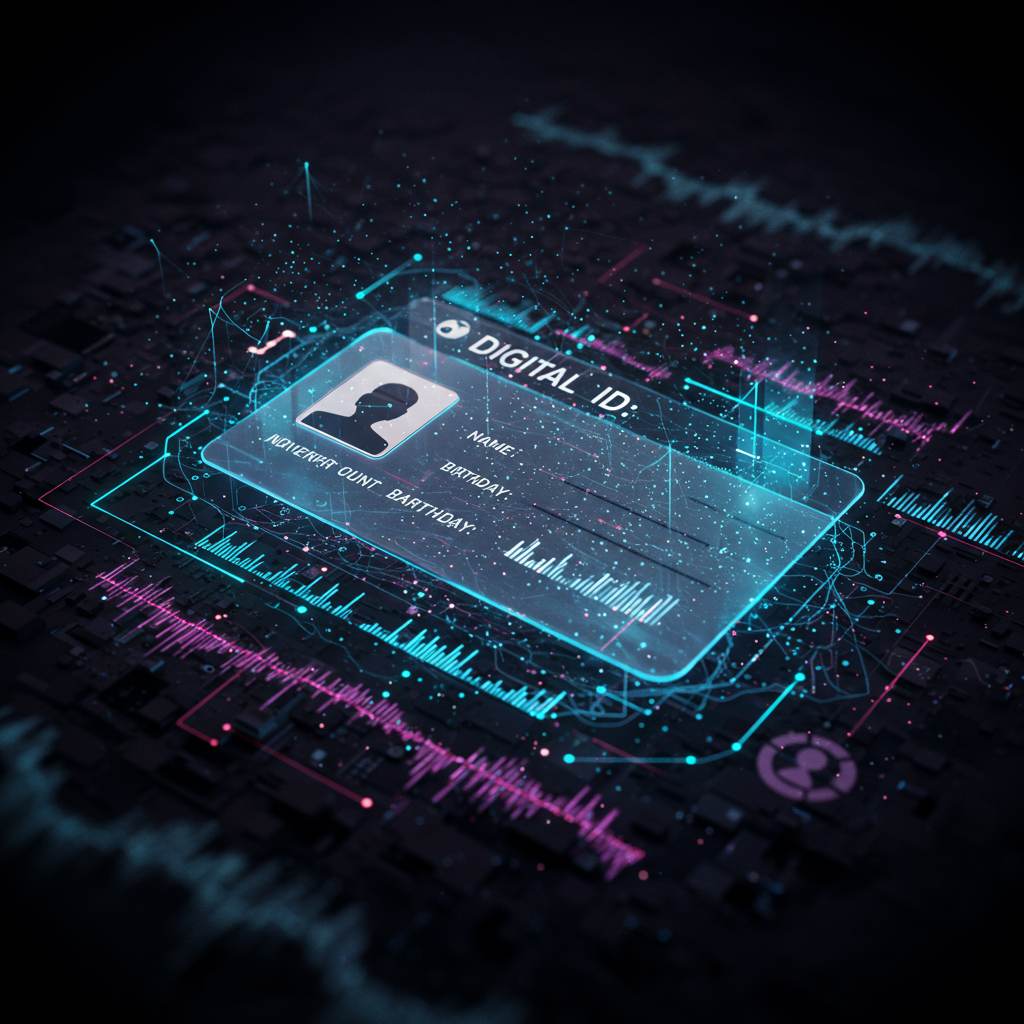
Welcome to the internet age, where your whole life—from shopping sprees to late-night memes—is basically one big digital footprint. Every tap, swipe, and share adds up to something way bigger: your Digital Identity. It’s made up of all the personal info you’ve ever shared online—emails, banking info, your Insta, even that old blog from middle school.
But here’s the catch: while tech gives us insane convenience, it also opens the door to cyber creeps. Identity theft, financial scams, data leaks—you name it. Just one breach could wreck your finances, damage your rep, or even mess up your credit score. And it’s not just rare cases—over 1 billion email accounts have been exposed in breaches. That’s wild.
So yeah, protecting your Digital Identity isn’t just some tech geek thing. It’s your online life on the line. Let’s dive into how to stay safe, smart, and totally scam-proof in today’s hyper-connected world.
Digital Identity Blockchain: A New Layer of Protection
Let’s talk blockchain—yeah, the same tech behind crypto. But it’s not just for Bitcoin bros. Digital Identity Blockchain is lowkey a game-changer. It gives you control over your identity by locking your personal info into a decentralized, secure system. That means no one—not even a shady hacker—can mess with it without your say-so.
In simple terms, blockchain keeps your data legit and tamper-proof. When your info is on the blockchain, it’s stored in encrypted “blocks” across multiple locations. If someone tries to hack it? They’d have to mess with every copy at once, which is pretty much impossible.
It’s like having your own digital vault—one that you control, not Big Tech. Plus, blockchain-based IDs let you choose what info you share, and with who. It’s all about privacy, security, and owning your data. The future’s looking bright—and safer—with blockchain leading the charge.
Add Layers, Not Just Passwords
Let’s be real—”password123″ isn’t cutting it anymore. Yeah, you’ve heard it a million times, but strong passwords are still your first defense. Go with long, random combos of letters, numbers, and symbols. No pet names, birthdays, or anything a stalker could guess from your socials.
But don’t stop there. Turn on two-factor authentication (2FA) everywhere. It’s that extra step that sends you a code or uses Face ID before letting anyone into your account. Super annoying? Maybe. But super worth it? Definitely.
Also, ditch the sticky note full of passwords and use a password manager instead. It keeps all your logins safe in one place and helps you create strong, unique ones for every account. Basically, the goal is to make it ridiculously hard for anyone else to get in—even if they try.
Avoiding Digital Identity Traps
Phishing scams are like the catfish of the internet—everything looks real, but it’s totally fake. You’ll get emails or DMs pretending to be your bank, Netflix, or even your grandma. They’ll ask for info or tell you to click a link. Don’t fall for it.
Spot the fakes by checking for weird email addresses, bad grammar, or links that look sus. If it feels off, it probably is. Real companies don’t ask for your login or card info over email. Ever.
And seriously, don’t type your credit card on shady websites. Stick to trusted ones (look for the little padlock in the URL) and avoid using public WiFi unless you’ve got a VPN. Even better? Some platforms now use Digital Identity Blockchain tech to confirm what’s real. The internet’s full of traps, but with some digital street smarts, you can dodge most of ’em like a pro.
Stay Sharp with Your Devices and Apps
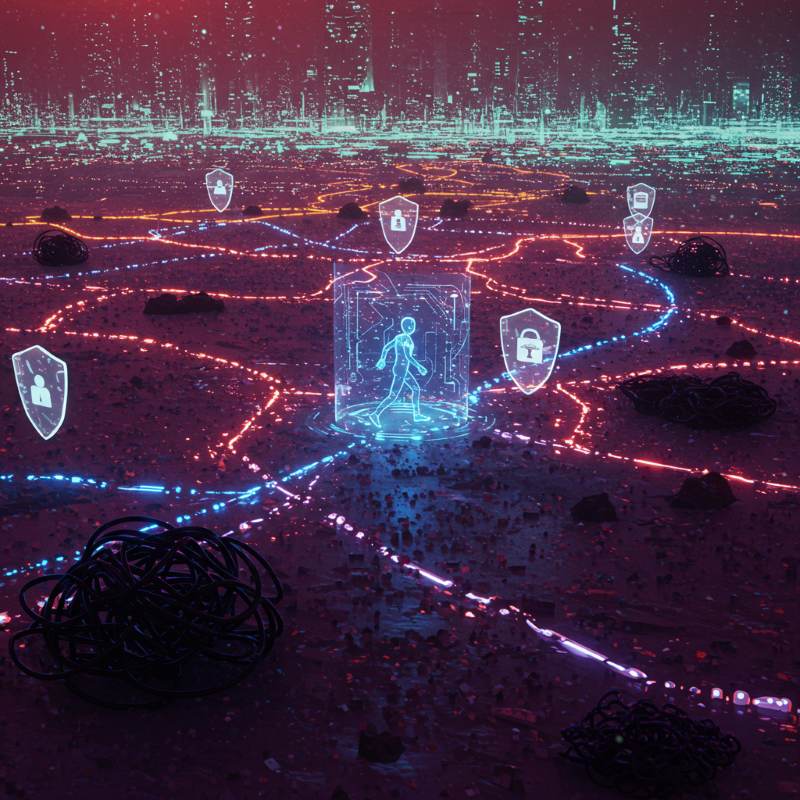
Your phone isn’t just for TikTok—it’s your digital vault. So treat it that way. Set up a strong passcode, Face ID, or fingerprint unlock. Don’t wait till your phone gets stolen to realize you should’ve set one.
Next, always update your apps and OS. Those boring little updates actually patch up security holes. Hackers love outdated systems, so don’t give them an opening. And download apps only from trusted sources, not sketchy third-party sites.
Worried about your info leaking? Use antivirus tools and enable device encryption. That way, even if someone gets your phone or laptop, they can’t just snoop through your stuff. Keep your digital world tight and your data locked down.
One reply on “Digital Identity Isn’t Just Data—It’s You”
KRIPTO11
piink.mango
https://linktr.ee/cryptozink11