

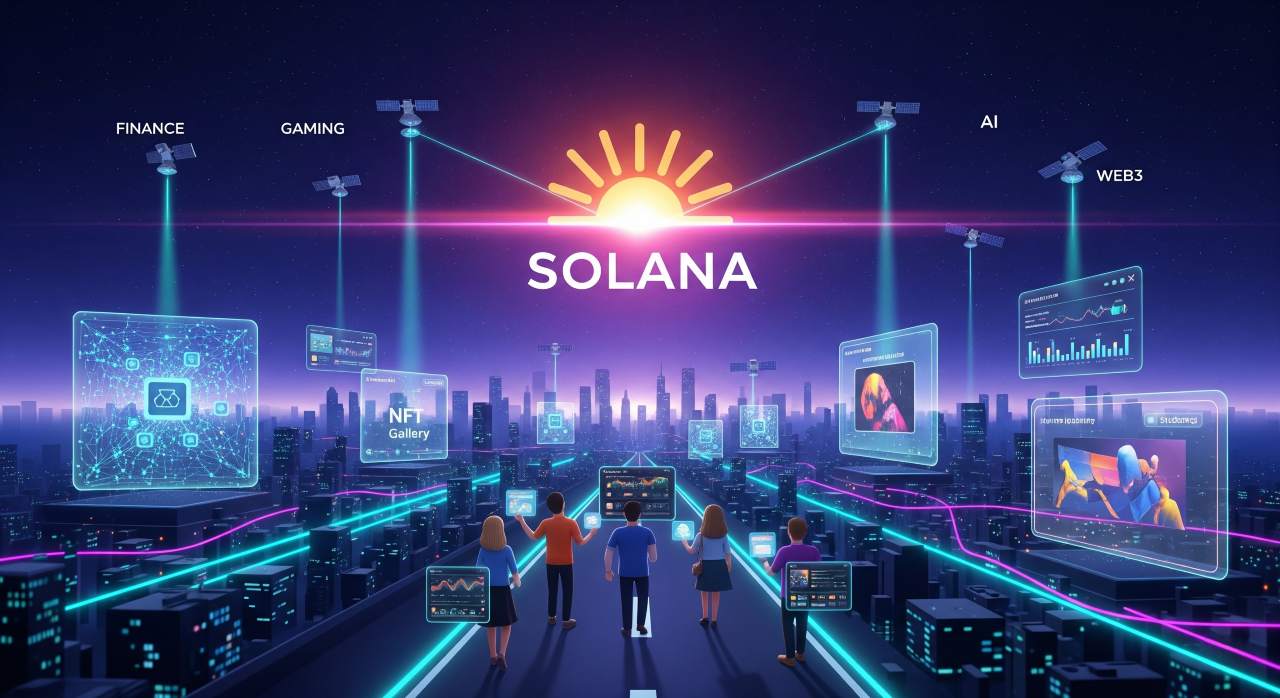
It started with Bitcoin, then Ethereum. Now Solana steps into the spotlight with its very own ETF—bridging the crypto-native world with traditional markets. On August 1st, the REX-Osprey SOL & Staking ETF launched on the Cboe BZX Exchange, not just tracking Solana’s price, but also offering a variable monthly staking dividend.
With a yield currently at 7.3% and institutional interest rising, the fund signals a pivotal evolution in how investors can gain blockchain exposure. Unlike other crypto ETFs, this one integrates on-chain staking directly into its structure—bringing crypto’s most innovative yield mechanic to the regulated world of exchange-traded products.
As regulators ease restrictions and major players like BlackRock and Grayscale file new applications, Solana’s ETF is emerging as more than just a single asset—it’s a sign that the future of finance is being written in code, with validators, not vaults, holding the keys.
Is SOL a Long-Term Investment? Signs Point to Yes
For years, investors have asked: Is SOL a long-term investment? Today, the answer seems clearer than ever. With the launch of the Solana ETF, institutions are betting that the high-speed, low-cost blockchain is here to stay.
Solana stands out from other networks with its lightning-fast transaction speeds—often under a second—and transaction costs as low as fractions of a cent. These features enable everything from micro-transactions to large-scale decentralized finance and NFT platforms, all under one unified protocol.
Now, with ETFs offering exposure and yield through staking, SOL is gaining traction not just among crypto enthusiasts but across mainstream finance. Its robust developer ecosystem, growing adoption in payments and gaming, and scalable infrastructure suggest a strong foundation for long-term growth.
While all crypto investments carry risk, Solana’s strong fundamentals and increasing integration into institutional portfolios make it one of the most promising long-term plays in the digital asset space.

Regulators Are Shifting—And Fast
The U.S. Securities and Exchange Commission spent years pushing back against crypto ETFs, citing concerns over market manipulation. But recent legal decisions and global competition are forcing a rapid change of tone.
Canada has already approved Solana staking ETFs, applying pressure on the U.S. to keep pace. In July, the SEC requested that ETF issuers clarify clauses around physical redemption and staking yield—especially notable since Ethereum ETFs were launched without any staking exposure. This shows regulators are taking a more flexible and nuanced approach toward PoS-based products.
In a sign of the changing landscape, seven major financial firms—including Fidelity, Grayscale, and BlackRock—submitted final filings for Solana ETFs just before the SEC’s July 31st deadline. Bloomberg analysts now estimate a 90% approval probability.
This evolving regulatory openness, backed by bipartisan legislative support such as the FIT21 bill, signals that U.S. markets are preparing to embrace crypto products not as outliers, but as part of the financial mainstream.
Why the Solana ETF Is a Game-Changer
The arrival of the Solana ETF—integrating staking yields into a regulated financial product—isn’t just a milestone for the network. It’s a redefinition of what an ETF can be. And yes, it helps answer the question: Does Solana have a future?
Most crypto ETFs simply track price. Solana’s goes further. With current staking yields around 7.56%, the ETF essentially transforms SOL into a yield-generating financial asset available to everyday investors through their brokerage accounts.
The numbers are telling: CME’s Solana futures open interest rose 300% in the last month. Projects like Solaxy have raised over $50 million in anticipation. Meanwhile, SOL’s price jumped 23% in just three days, as market sentiment turned overwhelmingly bullish.
Grayscale’s controversial move to set a 2.5% management fee—payable in SOL—signals strong conviction in the asset’s upside. This is more than a financial product. It’s a blueprint for bridging traditional finance with decentralized infrastructure.
What This Means for the Broader Crypto Market
The approval and rollout of a Solana ETF with built-in staking may have implications far beyond SOL. It sets a precedent for future ETFs tied to other proof-of-stake blockchains like Cardano, Avalanche, and Polkadot.
By offering real on-chain yield in a familiar format, the Solana ETF could fundamentally reshape the structure of crypto investing. ETFs are no longer just about tracking asset prices—they’re evolving into dynamic tools that reflect the core features of blockchain utility.
This also introduces a new model of fund design. If Grayscale’s fee structure is accepted—2.5% paid in tokens rather than fiat—it could lead to token-based pricing becoming the standard across crypto asset management.
Institutional participation is also changing. Rather than betting on price alone, funds are starting to chase yield. That aligns them more closely with long-term network health and sustainability—a shift that could lead to better governance, more decentralized infrastructure, and improved user experiences across the entire Web3 stack.
One reply on “Solana ETF Ushers in a New Era of Crypto-Finance Integration”
Linktree Cryptozink11
KRIPTO11
YunoMiles