

Shill affiliates and fake reviews: how a crypto betting platform buys trust
The promise looks irresistible: instant deposits, big bonuses, and viral testimonials. Yet the same funnels that pull you in often hide conflicts, fabricated proof, and engineered hype. This guide explains how a crypto betting platform buys trust, and how you can verify claims, reduce exposure, and avoid dangerous links. Read on, and keep your wallet, and your identity, out of a shill’s crosshairs.
Inside the crypto betting platform playbook: manufactured trust
A crypto betting platform uses growth tactics that make risky products feel safe. First, it outsources persuasion to armies of affiliates. Next, it floods social channels with “reviews,” star ratings, and influencer shout-outs. Then, it frames generous bonuses as proof of solvency and fairness. Finally, it blurs the boundary between content and ads so you can’t tell who gets paid to praise.
Notice the pattern. The platform doesn’t only market features; it manufactures social proof. Because humans trust other humans, a thread of “real users” or a polished YouTube review seems credible. However, when payouts depend on your losses or on sign-ups, the advice you hear rarely matches your interests.
Therefore, before you trust any bold claim, map the incentives behind it.

If someone profits when you deposit, you must treat their “review” as an advertisement, no matter how friendly it sounds.
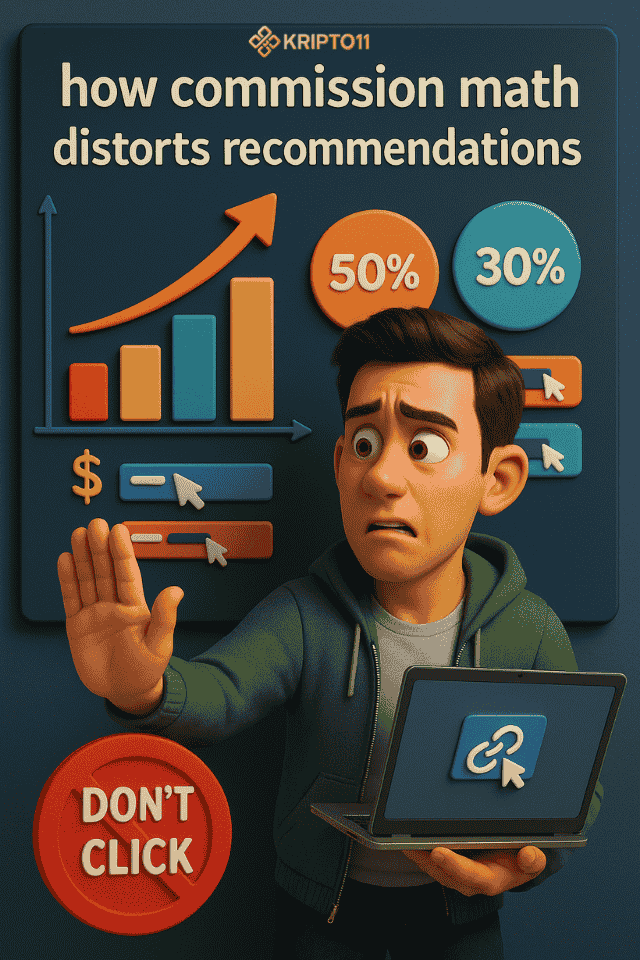
Shill affiliates: how commission math distorts recommendations
Affiliates can serve a legitimate role when they disclose compensation and compare options honestly. But shill affiliates do the opposite. They hide their ties and optimize for conversions, not truth.
The typical shill funnel–how a crypto betting platform buys trust
- Hook: “Top 5 safest sites” or “Beginner-friendly crypto betting platform no KYC!”
- Proof: Screenshots of huge wins, cherry-picked withdrawals, or fake dashboards.
- Push: Time-limited codes, oversized match bonuses, and “exclusive VIP” links.
- Lock-in: Loyalty points and cashback that vest only if you wager more.
Because commission structures often pay a rev-share on player losses, shill affiliates win when you chase losses. Consequently, their content emphasizes “value” and “edge,” while downplaying risk, withdrawal friction, and geo-compliance.
Red flags that scream “shill”
- No clear disclosure (“This video/article includes affiliate links”).
- Only positives, no trade-offs. Real reviews show pros and cons.
- One-size-fits-all picks. Every user, every region, the same list.
- Aggressive CTAs to deposit now. Sound advice slows you down.
Rule: If the recommendation routes you through a shortened or tracking link, do not click it. Instead, open a new tab and navigate to the brand manually to reduce referrer manipulation and cookie stuffing.
Fake reviews and astroturfing: the illusion of social proof
Shady platforms don’t wait for praise, they create it. They seed five-star ratings on forums, spam “success stories” in Telegram groups real money, and stage “community” Q&As where hard questions vanish. Meanwhile, bot farms recycle templated comments across languages and time zones.
How to spot fabricated feedback
- Repetition and rhythm: Many reviews reuse the same adjectives, timing, or sentence structure.
- Suspicious profiles: New accounts with little history praise niche features in polished English.
- Asymmetric details: Vague about risk, oddly specific about bonus codes and referral steps.
- Timeline mismatch: “Fast KYC today!” posted before a product even launches in your region.
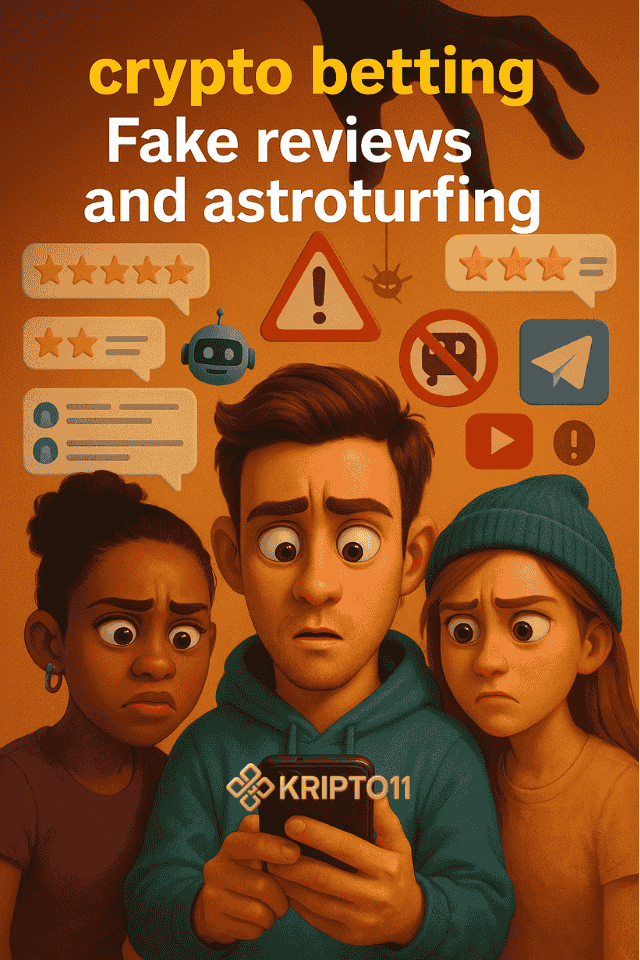
Therefore, treat social proof as a signal to investigate, not a verdict. Cross-check on independent communities with strict moderation and transparent rules. Additionally, look for long-form criticisms; shills avoid nuance because nuance doesn’t convert.
Risk map: bonuses, KYC freezes, and withdrawal friction
Hype focuses on deposits. Reality bites during cash-out.
- Bonus traps: Match offers often carry wagering requirements, game weighting, and max-win caps. You might “win,” yet still fail terms.
- KYC/geo landmines: If your region conflicts with their license, accounts can freeze during verification checks. VPN use increases this risk.
- Payment throttling: Some sites delay large withdrawals with “manual review,” requesting extra documents or imposing new limits.
- Volatility and fees: Crypto payouts move with the market. During network congestion, fees spike and speeds drop.
Moreover, a crypto betting platform can change terms after you deposit, especially if the jurisdiction or payment rails shift. Consequently, even honest players face friction they didn’t expect.
Prevention steps before any deposit
Read terms end-to-end. Search for “wagering,” “max cashout,” “bonus abuse,” and “restricted countries.”
Test withdrawals first. Attempt the smallest permitted withdrawal before scaling wagers.
Segment bankrolls. Keep your main wallet separate. Never park funds on a site “for convenience.

Avoid link traps. Do not click shortened URLs, QR drops, airdrop claims, or “VIP fast-track” links. Type the URL yourself.
Defense toolkit: verify, sandbox, and financial hygiene
You can’t eliminate risk in online gambling, but you can control your exposure.
Verify the operator and infrastructure
- Licensing and disputes: Check the stated license and whether the jurisdiction actually enforces player complaints. Furthermore, look for a named ADR (alternative dispute resolution) body.
- Audits and RNG: If they claim independent audits, verify the auditor exists and has a public report.
- Track record: Search for dated payout stories, not just viral wins. A healthy platform has years of mixed reviews and resolved disputes, glossy perfection is suspicious.
Sandbox your tests–how a crypto betting platform buys trust
- Fresh browser profile: Use a clean profile with tracking protection. Decline unnecessary permissions.
- Burner email and alias: Compartmentalize communications. Never reuse passwords.
- New wallet with minimal funds: Fund only what you plan to risk that session. Afterwards, empty the wallet.
- Network hygiene: Prefer a stable connection you control. Avoid public Wi-Fi, and never install unvetted “helpers” or scripts.
Financial and personal safety
- Cap losses and time. Pre-commit limits and stick to them.
- Separate identities. Don’t share passports or selfies until you confirm licensing and a realistic dispute path.
- Document everything. Save chat logs, TXIDs, and timestamped screenshots for support or complaints.
- Walk away fast. If terms shift mid-stream or support stonewalls, stop depositing. Move on.
Importantly, if an affiliate or “reviewer” pushes you to click a specific link, treat it as a control hazard. You can evaluate a platform without handing an affiliate leverage over your account lifecycle.

FAQ: how a crypto betting platform buys trust (and how to stay safe)
1) What’s the simplest way to detect shill affiliates?
Look for disclosures. If compensation isn’t declared, assume it exists. Next, examine incentives: if the recommender earns more when you lose, or when you deposit quickly, their content won’t align with your interests. Finally, check whether they ever advise not to sign up. Shills rarely say “skip this.”
2) Are fake reviews easy to spot?
Sometimes. Repetitive language, new accounts, and oddly specific promo codes are common tells. However, sophisticated astroturfing mixes genuine comments with staged praise. Therefore, use cross-community triangulation: compare claims across independent forums, long-form critiques, and dated complaint threads.
3) How do bonuses actually trap users?
Through wagering requirements, game weighting (e.g., slots 100%, table games 10%), max-cashout caps, and timing rules. You can win a large amount yet withdraw only a fraction. Consequently, always run the math on turnover and expected loss before accepting any bonus.
4) What should I do first if I still want to try a site?
Start with zero-trust procedures: new browser profile, burner email, new wallet, minimal funds, and a test withdrawal. Additionally, avoid all affiliate or shortened links, type the URL manually. If withdrawal fails or terms shift, exit immediately.
5) Is it ever safe to click links in reviews or Telegram groups?
Assume no by default. Malicious links can cookie-stuff, phish, or install malware. If you must visit a site, navigate manually or use a non-tracking, non-logged-in browser profile. Never authorize wallet connections from unverified pages. When uncertain, do not click.