
The internet’s OG rule was simple: You make cool content, Google sends people your way, and boom—eyeballs, ad cash, maybe even fame. But Google just flipped the script. With the rise of Google AI Search, your go-to search page is turning into a smart chatbot that answers everything upfront, no clicking needed. And that’s kinda scary.
Some say this is the glow-up the internet needed. Others? They’re calling it the apocalypse for small websites, indie blogs, and anyone relying on web traffic to survive. Suddenly, we’re staring at a new digital world—one where AI might become the middleman for everything we read, watch, and share.
So the big question is: are we heading toward a better internet… or the end of it? Let’s break it all down and figure out what will be the future of Google—and how it could change your entire online life.
What Will Be the Future of Google? A Whole New Internet Era
Let’s be real—Google is basically the heartbeat of the internet. It handles around 90% of all searches. But that’s changing fast. At its May 2025 conference, Google revealed AI Mode, a fully AI-powered version of search. No more lists of links. Just one mega-smart answer built just for you. Sounds slick, right? But here’s the kicker: websites don’t get your clicks anymore.
Critics are calling this a content killer. Publishers who’ve spent decades building up their sites may see their audiences vanish. Why visit a page when Google’s AI already summed it up? Many fear we’re heading into a “machine web” era—where content is made for bots, not humans.
Can we defeat Google’s dominance? Maybe not head-on. But more people are switching to alternate tools like ChatGPT and DuckDuckGo. One thing’s for sure: the Google we knew is gone, and what comes next could shake the entire internet.
Publishers Are Panicking (And You Should Kinda Care Too)
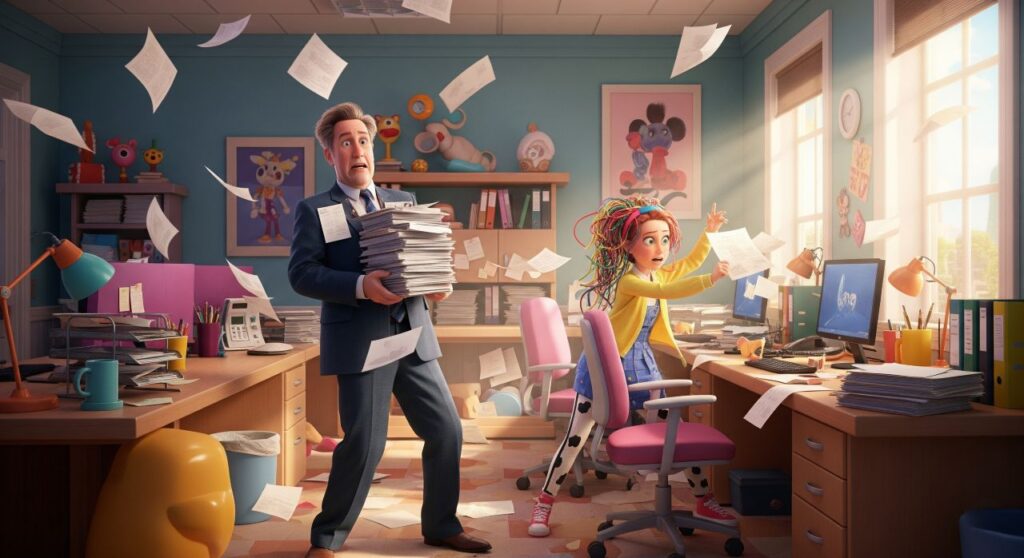
Imagine pouring your heart into a website, only for it to slowly disappear from Google results. That’s what many small creators are facing. Thanks to AI Overviews, users get answers without clicking on anything. And with AI Mode replacing search results completely, traffic is drying up.
Studies show a 30–70% drop in click-throughs depending on the topic. Even big sites like HouseFresh are seeing fewer clicks even when they’re showing up more. AI gives users what they want fast—but that comes at a cost: less variety, fewer deep dives, and way more repetition.
And it’s not just publishers losing money. You, the reader, lose the joy of exploring weird, niche corners of the web. The digital rabbit hole might become extinct. If everything’s served up by bots, we risk losing the messy, magical chaos that made the internet great in the first place.
Google AI Search: Convenience or Control?
Let’s zoom in on Google AI Search itself. What makes it so powerful? It uses a “fan out” method—splitting your query into multiple mini-searches at once. The result? Detailed, synthesized answers from various sources. Add the ability to ask follow-ups, and you’ve got a chatty search engine that feels like a friend.
But here’s the dark side: Google is deciding which voices you hear. If AI gives you the perfect answer, why dig deeper? That means fewer clicks, fewer site visits, and more power centralized with Google. Plus, AI answers can sometimes be wrong—or even hallucinate facts. Google admits that’s “inherent to the tech.”
While Google claims it’s expanding opportunities, critics say it’s stealing traffic without paying up. Some major platforms are cutting deals with Google or OpenAI (ChatGPT), but smaller creators? They’re left behind. AI Search may be convenient, but it’s also quietly rewriting who gets seen and who gets silenced.
What Happens Next: Adapt, Resist, or Bounce?
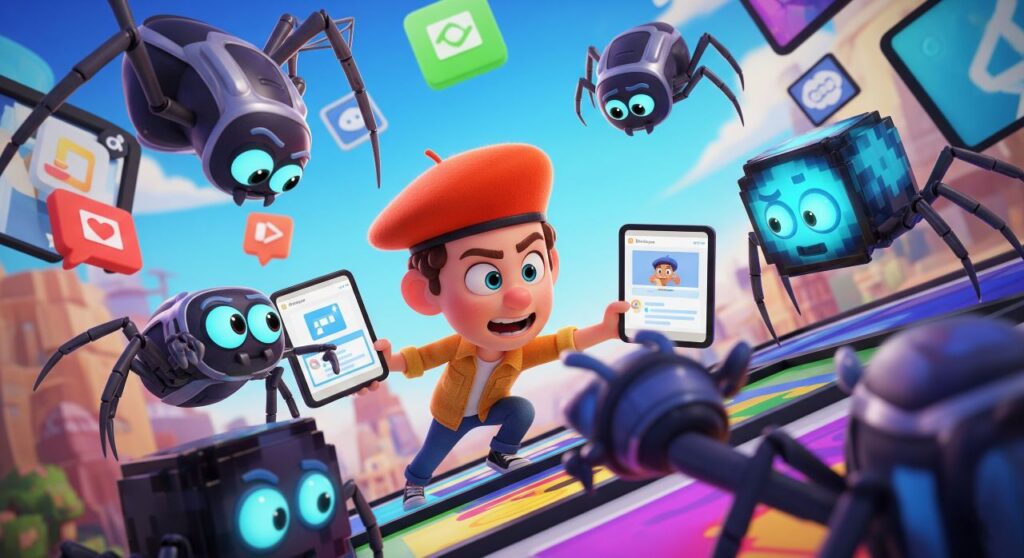
So what now? For many creators, the move is clear—pivot to survive. Sites are rushing to YouTube, TikTok, or podcasts, where algorithm vibes are different (but still chaotic). Others are pushing back. Companies like Cloudflare are proposing a bold move: block AI bots unless platforms pay for the content they use. That could seriously shake up the system.
Legal battles are heating up too. Google has already been hit with monopoly rulings. And public trust? It’s shaky. More users are experimenting with ChatGPT or smaller engines for answers. Even Apple admits Google searches on Safari are dropping for the first time in two decades.
Still, some believe the chaos could spark creativity. If the web gets weird again—built by humans for humans—maybe that’s not so bad. It all depends on what we choose next. Adapt, resist, or let AI take the wheel? The web’s future might just be in your hands.
One reply on “Google AI Search Is Taking Over—Is the Open Web Toast?”
KRIPTO11
Smookey Molly
https://linktr.ee/cryptozink11